
Tea-leaf reading — formally called tasseography — is one of those rituals that feels ancient and instinctive, like it must have always existed. Turns out, it couldn't have existed until Europeans got their hands on loose-leaf tea, which, historically speaking, wasn't that long ago at all.
So where did it actually come from?
According to the historical record, tea-leaf reading emerged in Europe only after tea became widely available through the tea trade, which took off in the 17th century onward. No tea trade, no tasseography. Simple as that. Before loose-leaf tea was a household staple, there were no leaves to read — so however mystical the practice feels, it has a very practical origin story rooted in commerce and import routes.
Once tea was in European homes, the ritual of reading the leftover leaves followed naturally. People have always looked for patterns in things — embers, clouds, the flight of birds. A teacup full of soggy leaves at the bottom of your morning drink? Honestly, same energy.
Wait, someone actually wrote a whole book about this?
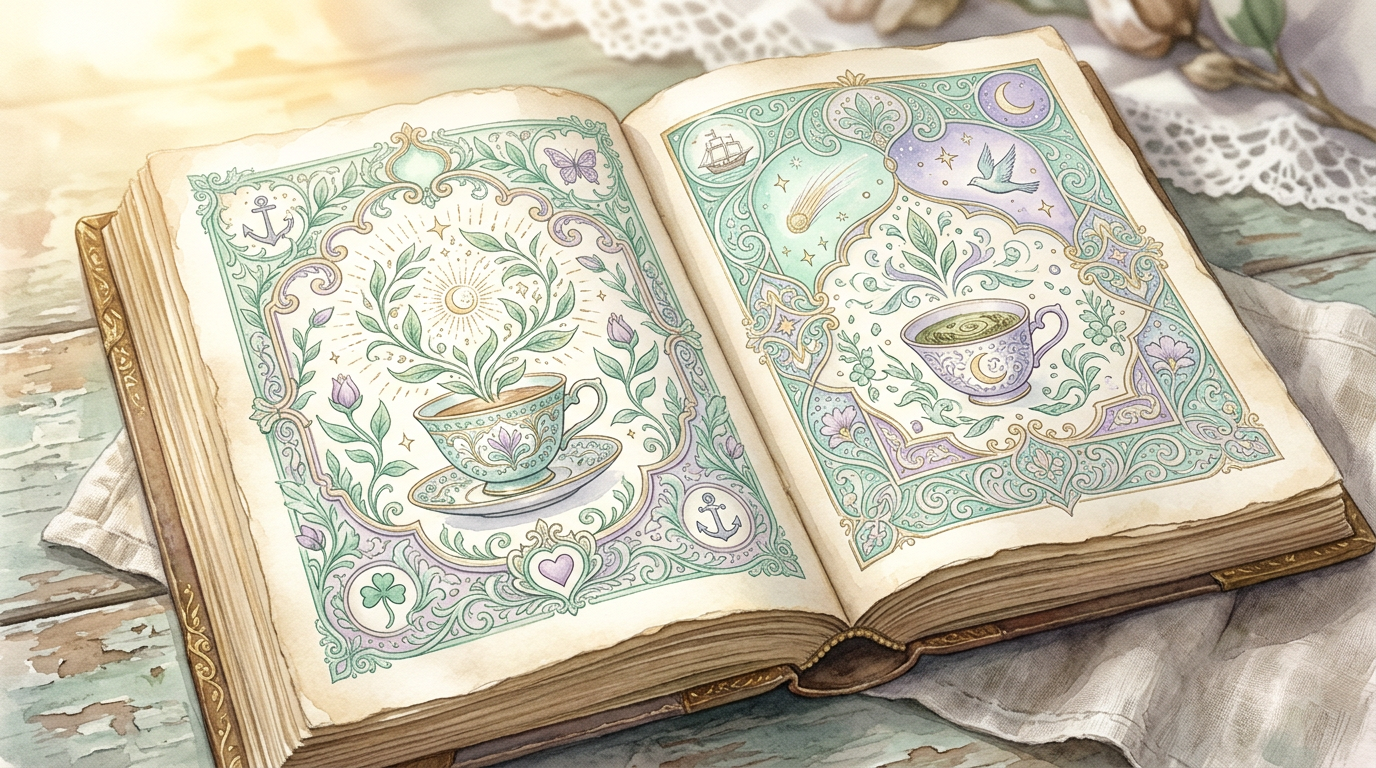
Yes. By the late 19th century, tasseography was popular enough to warrant its own dedicated manual. A text published under the name Tea-Cup Reading and the Art of Fortune-Telling by Tea Leaves, attributed to "A Highland Seer," laid out the practice as a structured system — a guide to interpreting the shapes and positions of leaves left in a cup. The fact that a formal how-to manual existed at all tells you something: this wasn't fringe weirdness. It was a mainstream enough pastime that someone saw a market for the instruction book.
How does it actually work?
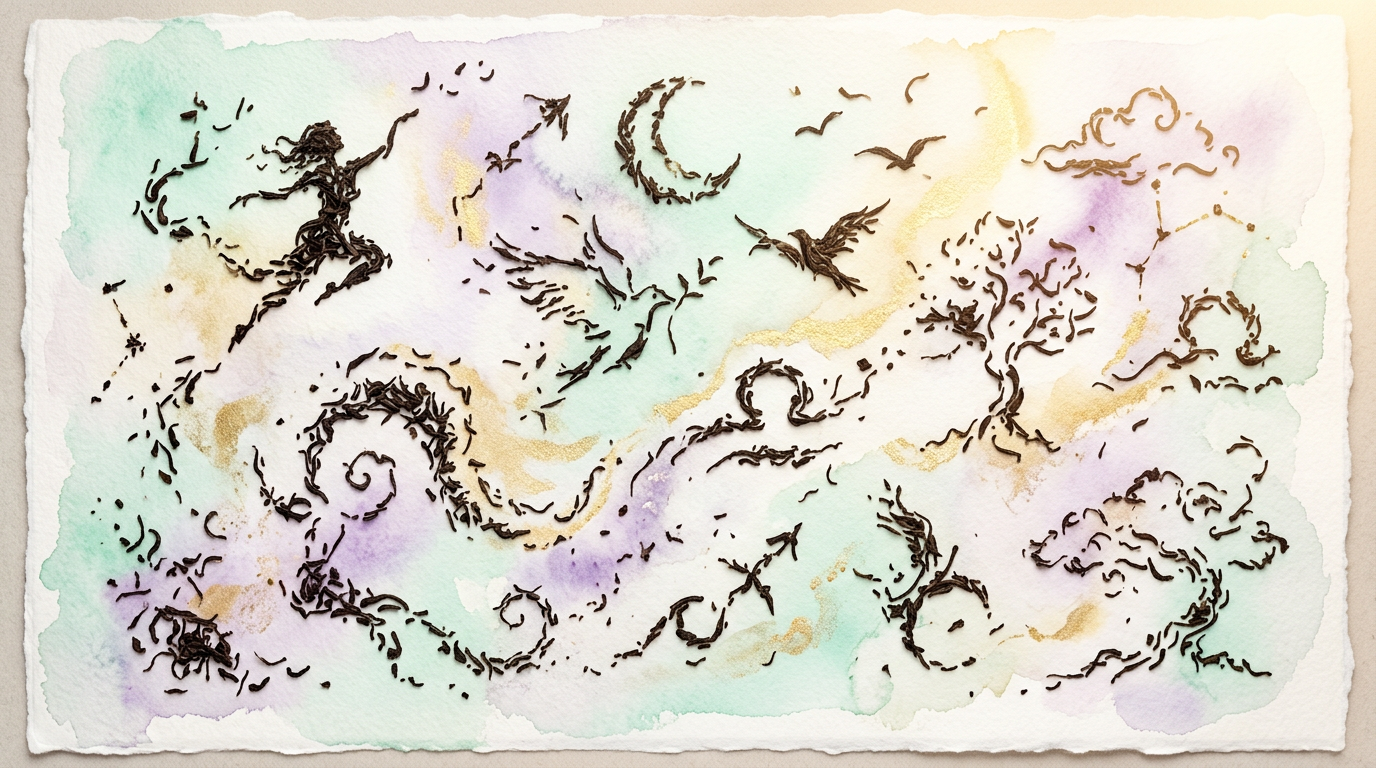
As documented in Tea-Cup Reading and the Art of Fortune-Telling by Tea Leaves by "A Highland Seer," the practice centers on interpreting the shapes formed by leaves remaining in the cup after the tea is drunk. The reader looks for recognizable forms — animals, letters, objects — and draws meaning from their position and proximity to the rim or handle. It's pattern recognition dressed up in ritual, which, honestly, is a pretty good description of most divination traditions.
Worth being clear: tasseography is a folk tradition and a form of cultural reflection, not a predictive science. The fun is in the looking, the interpreting, the conversation it sparks — not in treating your breakfast cup as a crystal ball.
Why does any of this still matter?
Because tasseography is a genuinely interesting artifact of how trade routes shape culture. Tea came from China and South Asia; it traveled west through complex commercial networks; it landed in European kitchens; and almost immediately, people started turning the ritual of drinking it into something meaningful. A divination practice built on a global commodity. That's not mystical — that's just very human.
Next time you finish a cup of loose-leaf tea, take a second before you rinse it out. You're participating in a tradition that's been around since the 17th century, documented in print by the late 1800s, and still going strong. The leaves aren't telling your future. But they are telling a pretty good story.
- "A Highland Seer," Tea-Cup Reading and the Art of Fortune-Telling by Tea Leaves (late 19th century) — an early popular manual of tasseography.
- Historical record of tasseography and the European tea trade (17th century onward) — documents the emergence of tea-leaf reading in Europe following the wider availability of tea.
This article is offered for cultural reflection and historical interest only, not as prediction or advice of any kind.
Tasseography is all about pausing to reflect — and Lunaple is built for exactly that kind of thoughtful self-exploration. Come see what's in the stars (and maybe the teacup).
Explore LunapleFor entertainment purposes only. Not a substitute for professional, medical, legal, or financial advice.
← Back to the Journal