
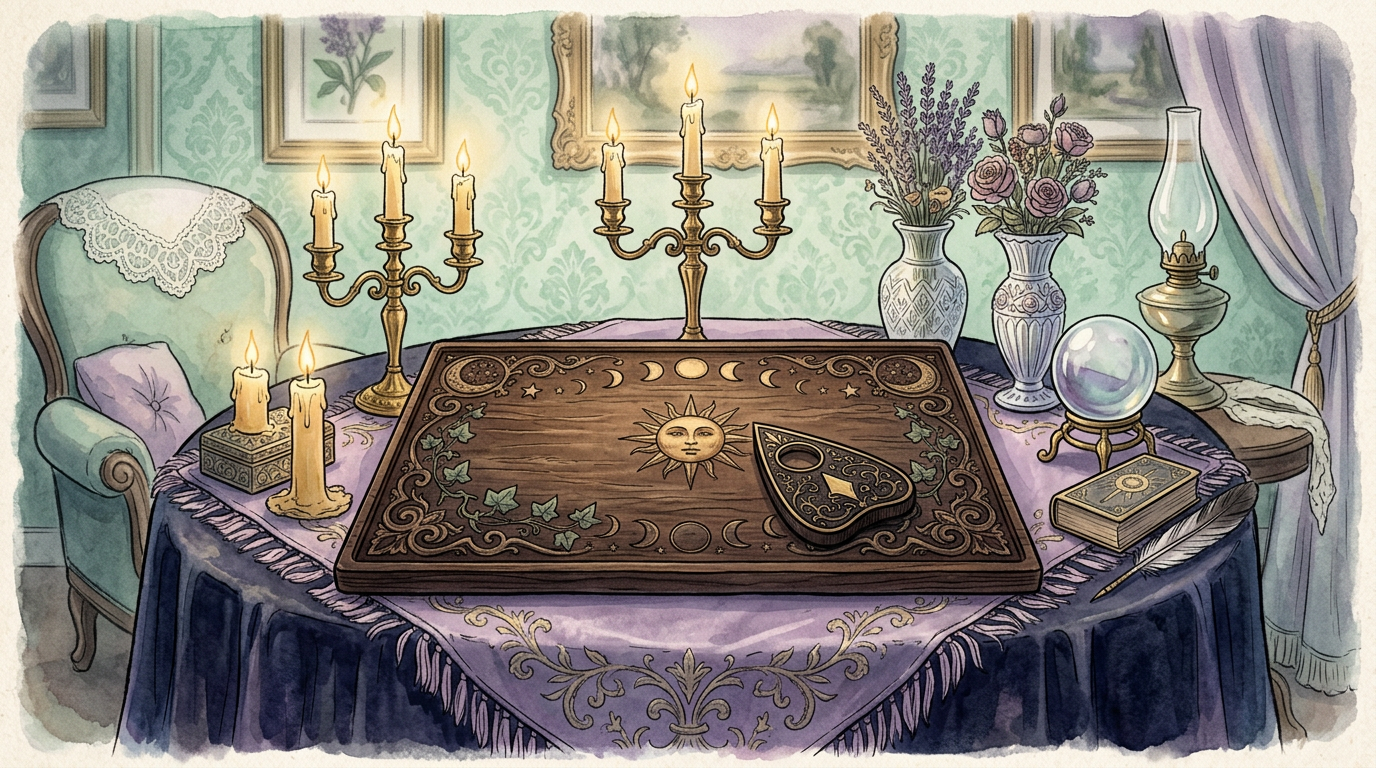
Before it became the go-to prop for every horror movie sleepover scene, the Ouija board was literally just a toy — patented, mass-marketed, and sold right alongside other parlor games. According to the Kennard Novelty Company's U.S. patent record from 1890/1891, this thing started life as a commercial product, not a portal to anywhere spooky.
So wait — someone actually patented this?
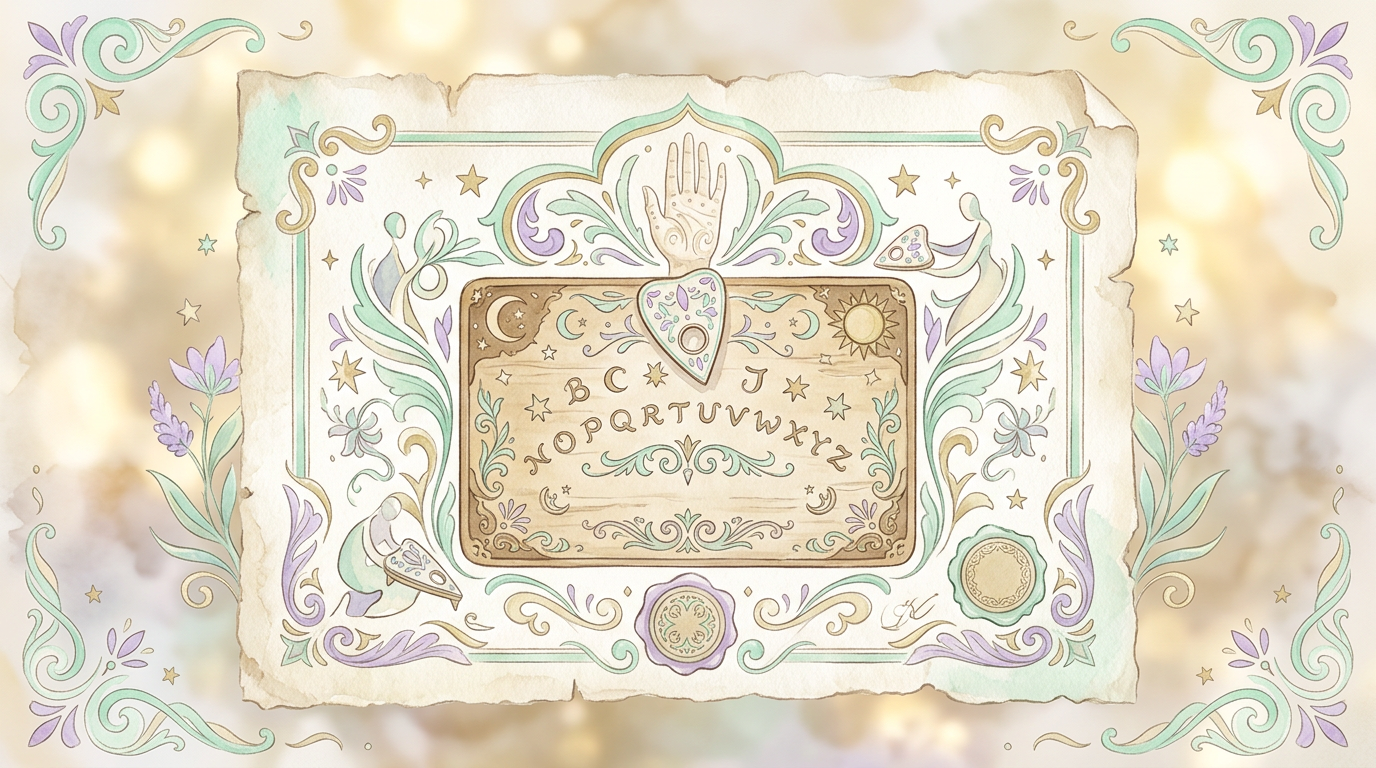
Yes, and that detail alone reframes everything. The Kennard Novelty Company filed a U.S. patent for the Ouija board in 1890/1891, treating it exactly as what it was at the time: a mass-marketed parlor game. This wasn't a secret ritual tool passed down through shadowy circles. It was a product. With a patent. The kind of thing you'd find next to a deck of cards or a game of charades.
The patent record is the primary source here, and it's pretty hard to argue with paperwork.
Why was it popular in the first place?
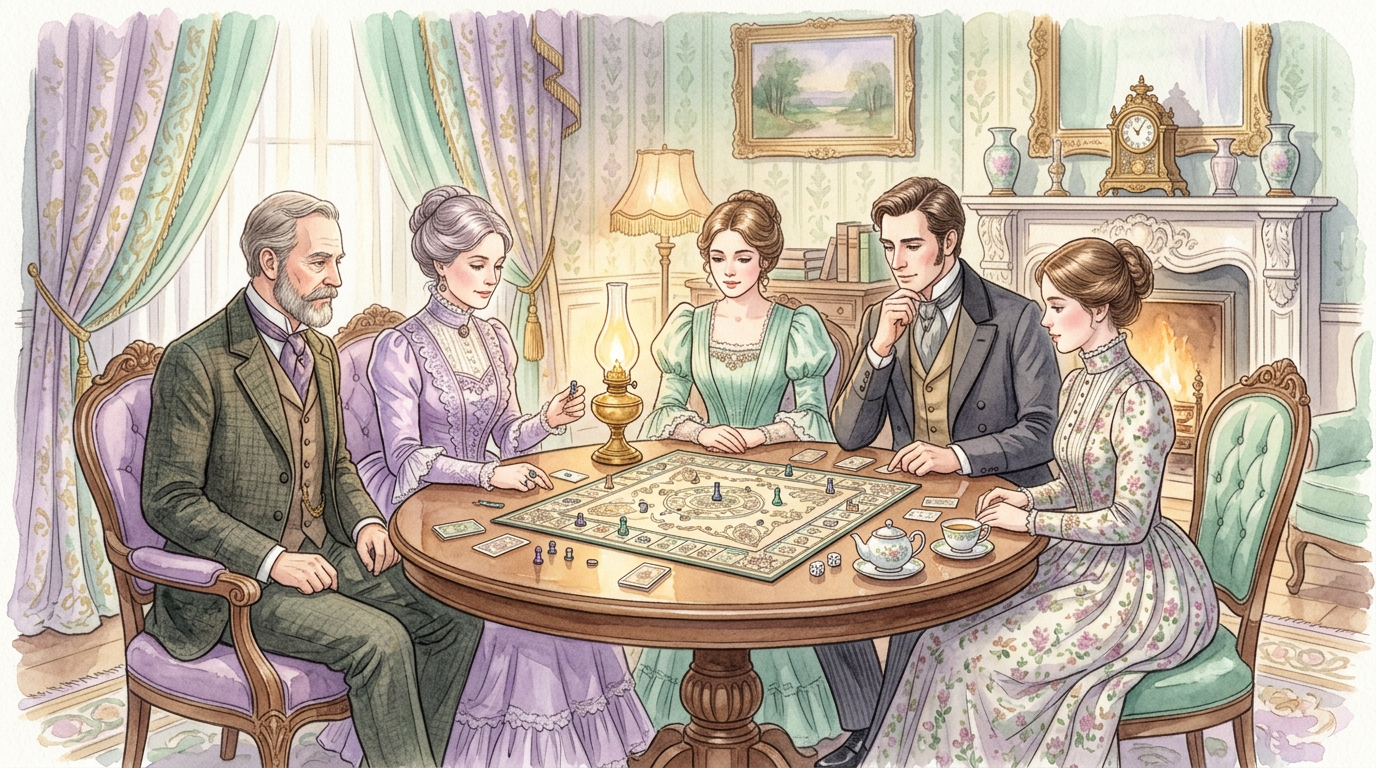
Context matters. As Robert Murch, an Ouija board historian cited in Smithsonian Magazine's 2013 deep-dive "The Strange and Mysterious History of the Ouija Board," documents, the board's rise tracked directly with the era's Spiritualist movement and its widespread popularity. Spiritualism — the belief that the living could communicate with the dead — was a genuine cultural phenomenon at the time, not a fringe obsession. Séances were a normal social activity. In that environment, a board game that let you "ask questions" fit right in with the parlor entertainment of the moment.
Murch's research makes clear that the board's commercial origins and its Spiritualist-era popularity were intertwined from the start — it wasn't scary first and sold second. It was sold first, full stop.
The "spooky" reputation is a later addition
Here's the thing about folklore and pop culture: they layer meaning onto objects over time. The patent record and Murch's research both point to a straightforward commercial launch — a novelty item riding a cultural wave. The ominous reputation the board carries today is a product of how storytelling, film, and cultural anxiety reshaped its image across the decades. That's genuinely fascinating! But it's a different story from the origin one.
The board didn't arrive wrapped in mystery. It arrived wrapped in a box, with instructions, from a novelty company.
What does this actually change?
Honestly? Everything about how you think about it. Knowing the Ouija board began as a patented parlor game — documented in commercial records, studied by historians like Murch — doesn't make it less interesting. If anything, it's a better story: a novelty item that somehow accumulated a century of mythology until people forgot it started as entertainment for a Victorian game night.
Whether you treat it as a cultural artifact, a piece of folk history, or just a genuinely weird conversation starter, the receipts are clear. This one came from a patent office, not the beyond.
- Kennard Novelty Company, U.S. Patent for the Ouija Board (1890/1891) [historical record] — the primary source documenting the board's origins as a mass-marketed parlor game.
- Robert Murch, Ouija board historian, as cited in Smithsonian Magazine, "The Strange and Mysterious History of the Ouija Board" (2013) — reputable modern research on the board's commercial origins and Spiritualist-era popularity.
This article is offered for cultural and historical reflection only, not as prediction, guidance, or endorsement of any paranormal claims.
From tarot to dreams to the stories behind everyday superstitions, Lunaple is your space to explore it all — with the same "wait, really?" energy as this article.
Explore LunapleFor entertainment purposes only. Not a substitute for professional, medical, legal, or financial advice.
← Back to the Journal