

Long before astrology became a personality quiz, a 2nd-century Greek astronomer named Ptolemy sorted all twelve zodiac signs into three groups — and honestly? It maps onto every friend group you've ever been in with uncomfortable accuracy.
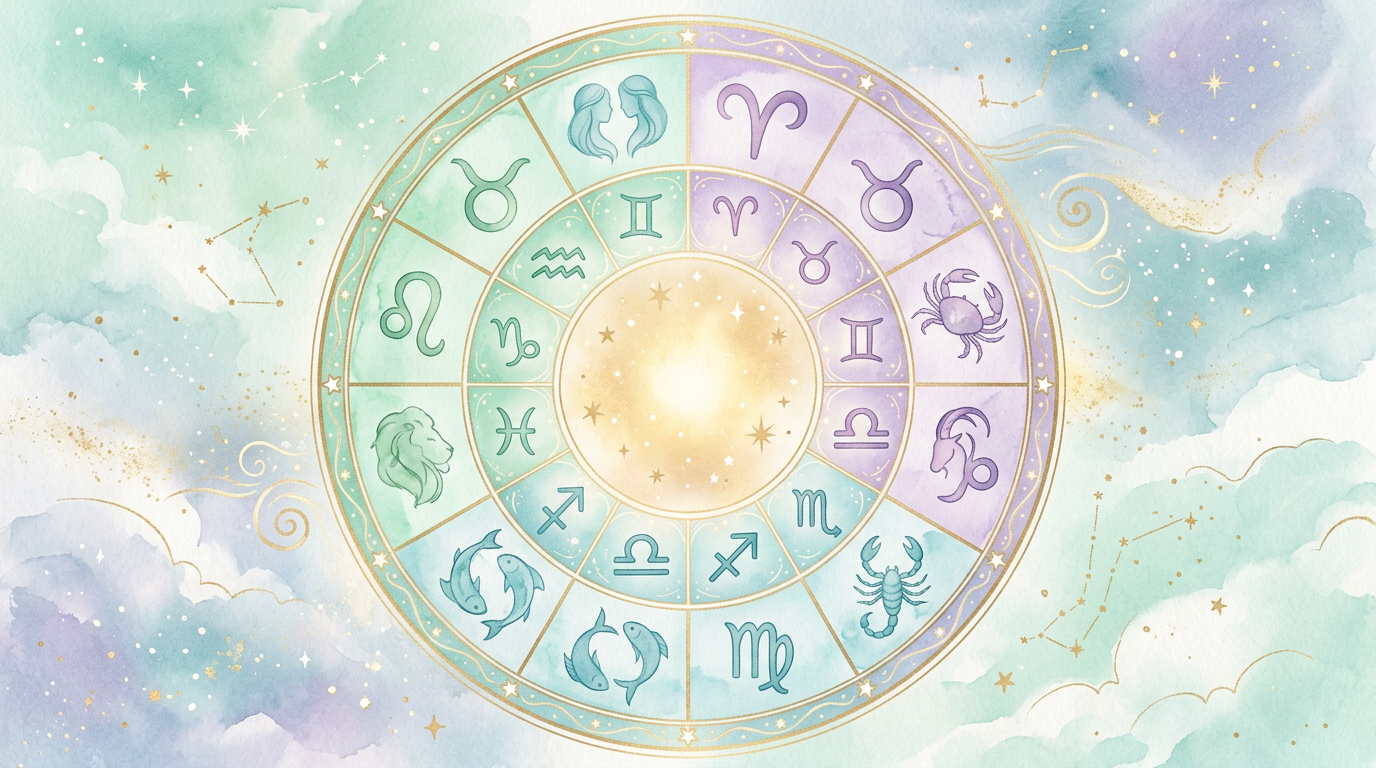
Wait, what even are modalities?
In his Tetrabiblos, Ptolemy classified the twelve signs into what he called tropical, fixed, and bicorporeal signs — terms that later tradition renamed cardinal, fixed, and mutable. His fellow 2nd-century Hellenistic astrologer Vettius Valens used the same framework in his Anthologiae, which tells you this wasn't just one guy's idea — it was a working system across ancient astrological practice. Each group contains four signs, and each group has a distinct energy or mode of operating in the world. Think of it less as your personality type and more as your default setting in a group situation.
The Cardinal Signs: The One Who Creates the Group Chat in the First Place
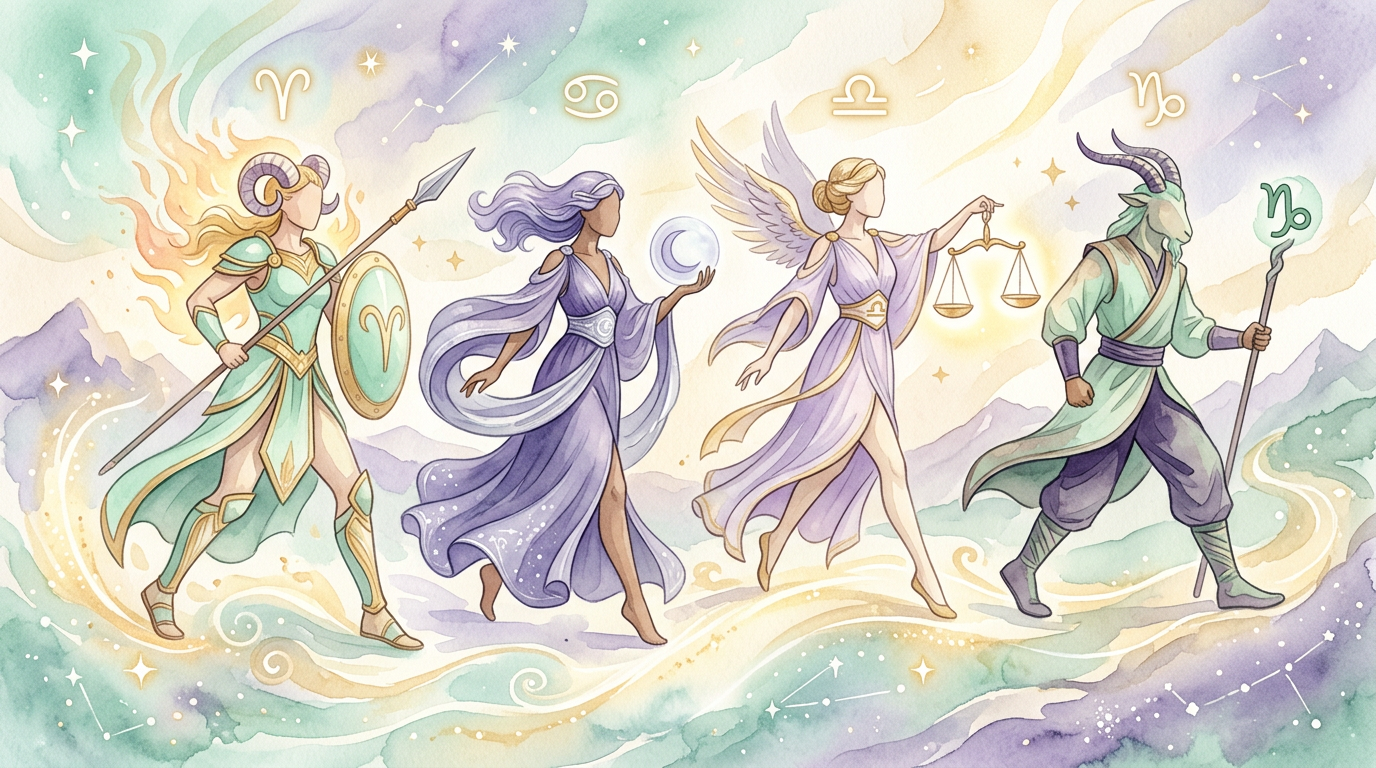
According to Ptolemy's classification in the Tetrabiblos, the tropical (cardinal) signs are Aries, Cancer, Libra, and Capricorn. In traditional astrological lore, these signs are associated with initiation and the start of each season. Cardinal energy, as the tradition frames it, is about getting things moving. This is the friend who books the Airbnb before anyone else has even agreed on a weekend. They've already made the reservation. You're going. Resistance is futile.
The Fixed Signs: The One Who Will Not Budge on the Restaurant
Ptolemy's fixed group — Taurus, Leo, Scorpio, and Aquarius — sits in the middle of each season, and traditional astrology associates this position with stability, persistence, and, let's be honest, a certain resistance to changing the plan. Vettius Valens worked with the same grouping in his Anthologiae, treating it as a reliable framework for understanding how signs operate. Fixed energy is the friend who said Italian three weeks ago and is still saying Italian when everyone else pivots to ramen. Loyal to the vision. Immovable. You love them for it and also want to scream.
The Mutable Signs: The One Who Says "I'm Down for Whatever" and Means It
Ptolemy's bicorporeal (mutable) signs — Gemini, Virgo, Sagittarius, and Pisces — fall at the end of each season, and tradition links them to adaptability and transition. Mutable energy is the friend who genuinely doesn't care where you go, can pivot from brunch to a hike to a gallery opening without blinking, and somehow ends up having the best time regardless. The chaos doesn't rattle them. They are the chaos, a little bit, and that's why the group needs them.

So… does your group have all three?
The fun of this framework — which, again, Ptolemy was writing about in the 2nd century CE and Vettius Valens was actively using in practice around the same time — is that it's less about individual personality and more about group dynamics. A crew of all cardinals is a scheduling war. All fixed signs and nobody is ever trying a new bar. All mutable and the plan is technically still "TBD" on the day of. The sweet spot, at least in terms of actually getting somewhere for dinner, is probably a mix. As always, astrology here is a lens for reflection and a fun way to read your people — not a forecast, not a verdict. Just a very old framework that somehow still explains why your Taurus friend has been loyal to the same brunch spot since 2019.
- Ptolemy, Tetrabiblos (2nd century CE) — classification of the twelve signs into tropical (cardinal), fixed, and bicorporeal (mutable) groups.
- Vettius Valens, Anthologiae (2nd century CE) — a Hellenistic astrologer's working use of the same modality classification.
This article is offered for cultural reflection and entertainment only, not as prediction or personal advice.
Your full birth chart shows every planet's sign — and its modality. Lunaple can help you map it all out and see where your energy really lives.
Explore My ChartFor entertainment purposes only. Not a substitute for professional, medical, legal, or financial advice.
← Back to the Journal