
Before Thanksgiving, before football, before anyone argued over who gets the bigger half — there were the Etruscans, stroking a bird's collarbone and making wishes. The wishbone tradition is genuinely ancient, and its old English name, merrythought, is so much better than anything we came up with later.
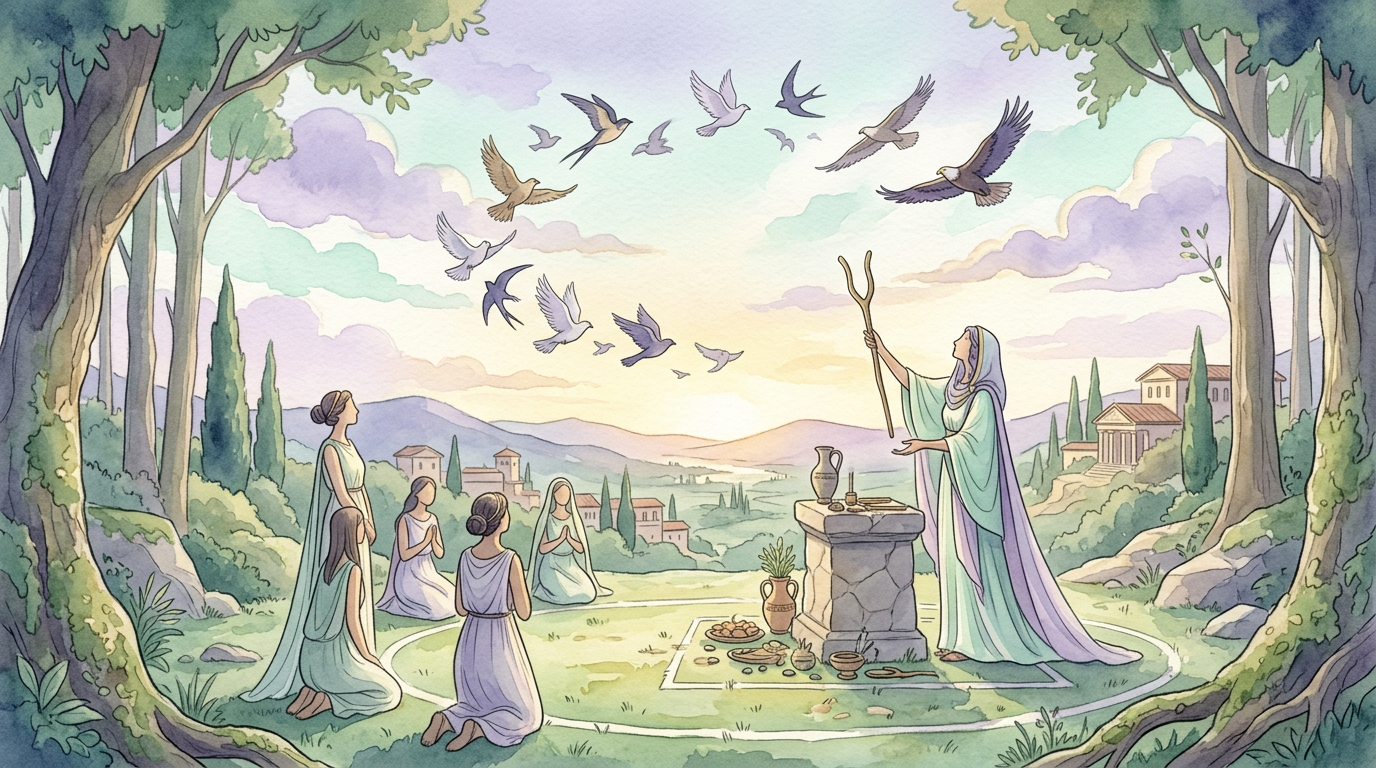
Wait, the Etruscans did WHAT with a chicken bone?
Here's the origin story nobody tells at the dinner table. According to historical records, the Etruscans — a civilization flourishing in what is now Italy around the first millennium BCE — had a custom of drying the furcula (that's the scientific name for the wishbone, the forked collarbone of a bird) and preserving it as a sacred object. The ritual involved stroking the bone while making a wish. No snapping, no contest, no winner-takes-all drama. Just a person, a bone, and a quiet hope. Birds were considered sacred in Etruscan divination culture, and the furcula held a special kind of power within that tradition.
Then the Romans got involved — as they tended to do — and, according to the same historical record, they adopted the practice and added the competitive breaking element. Suddenly it wasn't just about wishing; it was about winning. Classic Rome, honestly.
So where does "wishbone" even come from?
Not as far back as you'd think. Historical records document that the English name for this bone — well into the 17th century — was merrythought. As in: a merry thought, a cheerful little hope, a moment of lightness. It's warm, it's whimsical, and it fits the ritual perfectly. The term wishbone is an American coinage that didn't emerge until the mid-1800s, according to the same historical record. So for centuries, the English-speaking world was calling this thing a merrythought, and then somewhere along the way we swapped it for the more literal, less charming version. A downgrade, if you ask me.
What do we actually do with this information?
Mostly: appreciate that a small, funny-shaped bone has been carrying human hope across thousands of years and at least two major civilizations. The Etruscans treated it as a sacred object worth preserving. The Romans turned it into a game. The English gave it a name that sounds like a spell from a good fairy tale. And somewhere in the American mid-1800s, it got rebranded into something more utilitarian.
The tradition has always been about the same thing, though — a small, low-stakes ritual for wanting something. Which is, when you think about it, a very human thing to need. Whether you call it a wishbone or a merrythought, the impulse behind it hasn't changed much since someone in ancient Etruria first picked up a dried bird bone and decided it might help.
Merrythought, though. We should bring it back.
- Historical record: Etruscan divination practice of preserving and consulting the furcula of sacred birds (c. 1st millennium BCE) — documents the Etruscan custom of drying and stroking (not breaking) a bird's furcula while making a wish, and its later adoption and adaptation by the Romans, who introduced competitive breaking.
- Historical record: Merrythought — the 17th-century English name for the wishbone — documents the earlier English term for the bone, predating the American "wishbone" usage that emerged in the mid-1800s.
This article is offered for cultural reflection and historical curiosity, not as prediction or guidance of any kind.
If ancient traditions got you thinking about signs and meaning, Lunaple's readings are a fun, thoughtful place to explore what the universe might be whispering your way.
Explore Your ReadingFor entertainment purposes only. Not a substitute for professional, medical, legal, or financial advice.
← Back to the Journal