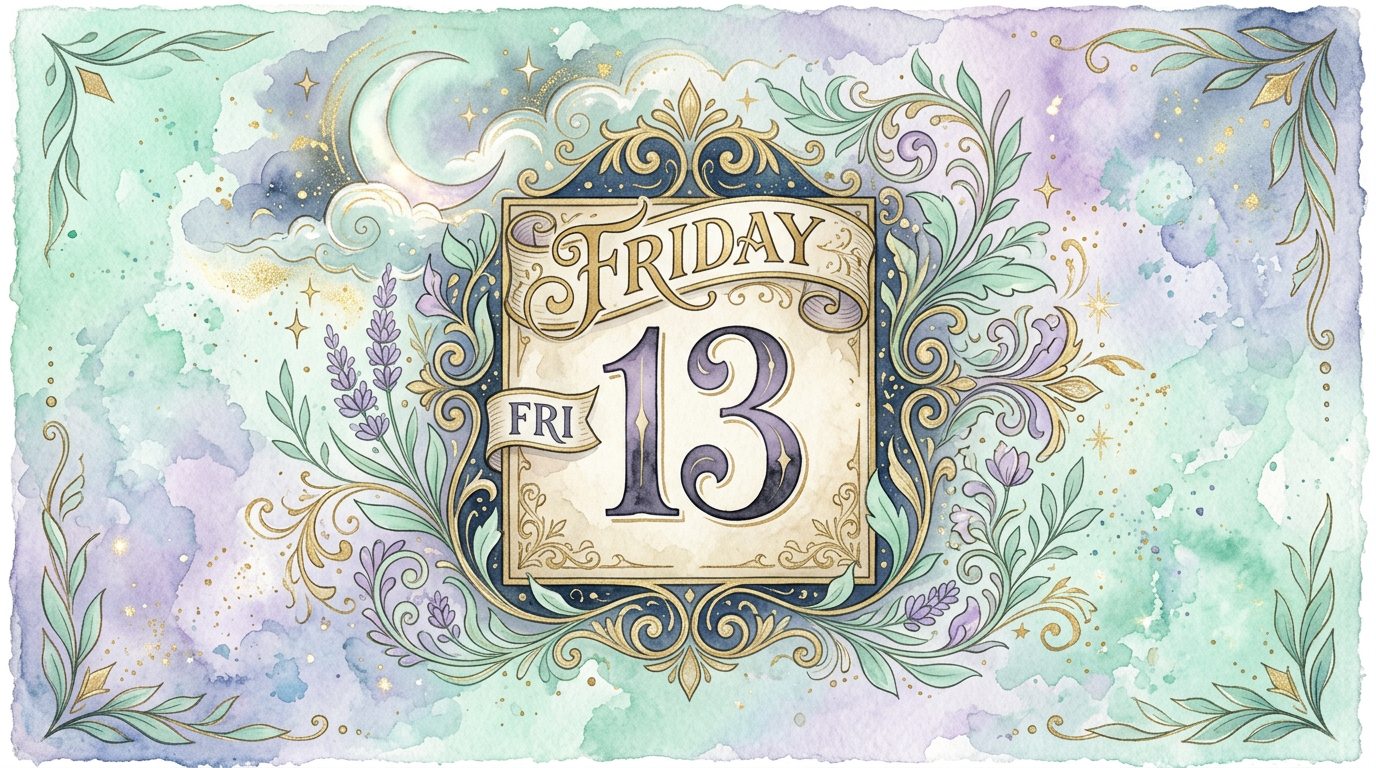
Here's the plot twist nobody tells you: the bone-deep dread of Friday the 13th doesn't have a single ancient origin. According to folklorist Donald Dossey — the person who literally named the fear paraskevidekatriaphobia — there is no one smoking-gun source hiding in antiquity. The superstition, as we know it today, is a surprisingly modern invention.
So where did it actually come from?
One of the earliest and most influential moments in cementing "Friday the thirteenth" as a culturally loaded phrase was a 1907 novel. Thomas W. Lawson published a book literally titled Friday, the Thirteenth — a story that played the date for all its ominous worth and helped plant the idea firmly in the popular imagination. Think of it as an early viral moment, just printed on paper instead of posted to a feed.
Before Lawson's novel, the two ingredients — Friday and the number 13 — had their own separate reputations in Western folklore. But the specific combo of Friday the thirteenth as a unified superstition? That's a much more recent recipe.
Wait, so people just… made it up?
Kind of — and that's actually the most interesting part. Folklorist Donald Dossey's work on paraskevidekatriaphobia (yes, that's the real clinical-sounding name for the fear) highlights that the superstition lacks the deep, traceable ancient roots that people assume it has. It's a folk belief that grew, spread, and eventually became self-reinforcing — the more people treated the date as spooky, the spookier it felt. Folklore works like that. It doesn't need a founding myth; it just needs enough people to nod along.
Dossey's frequently cited discussion of the fear is a reminder that a lot of what we call "ancient superstition" is actually pretty new — stitched together from older anxieties and then given a name, a story, and a release date.
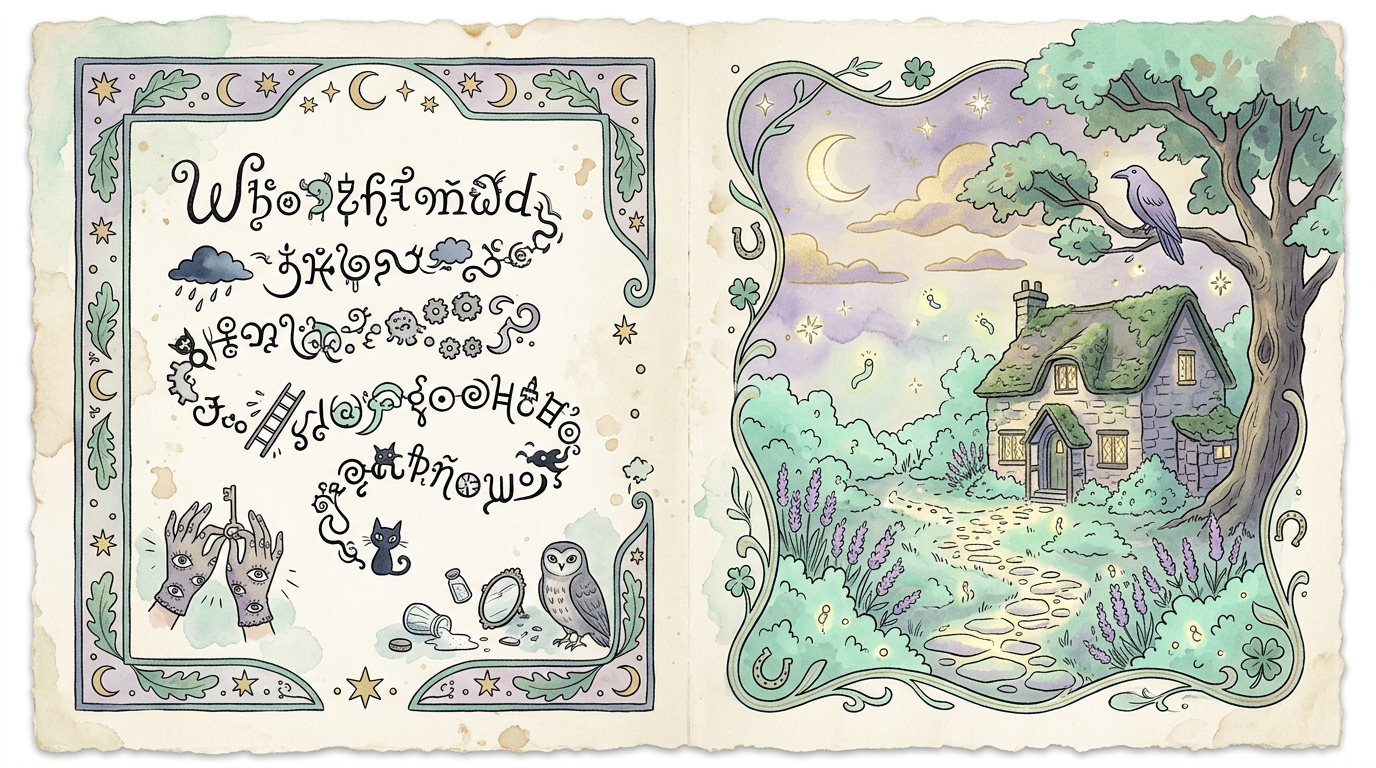
Should you actually be scared?
That's entirely up to you — but it's worth knowing what you're actually scared of. The fear isn't a warning handed down from the ancient world. It's a cultural story, shaped in part by a novelist in 1907 and popularized over the decades since. Treating it as a reflection of how humans love to find patterns and meaning in dates and numbers? That's genuinely fascinating. Treating it as prophecy? The sources don't back that up — and honestly, neither does your Friday.
So light a candle, avoid no ladders, and maybe just enjoy the drama of it. That's what folklore is for.
- Thomas W. Lawson, Friday, the Thirteenth (novel, 1907) — an early popular fixing of "Friday the thirteenth" as an unlucky date in the modern imagination.
- Donald Dossey, folklorist — frequently cited discussion of the fear's naming (paraskevidekatriaphobia) and its lack of a single ancient origin.
This article is offered for cultural reflection and entertainment only, not as prediction or advice.
If you love untangling the real stories behind what we believe, Lunaple's personalized readings dig into the traditions — ancient and surprisingly modern — that shape how we see ourselves.
Explore Your ReadingFor entertainment purposes only. Not a substitute for professional, medical, legal, or financial advice.
← Back to the Journal