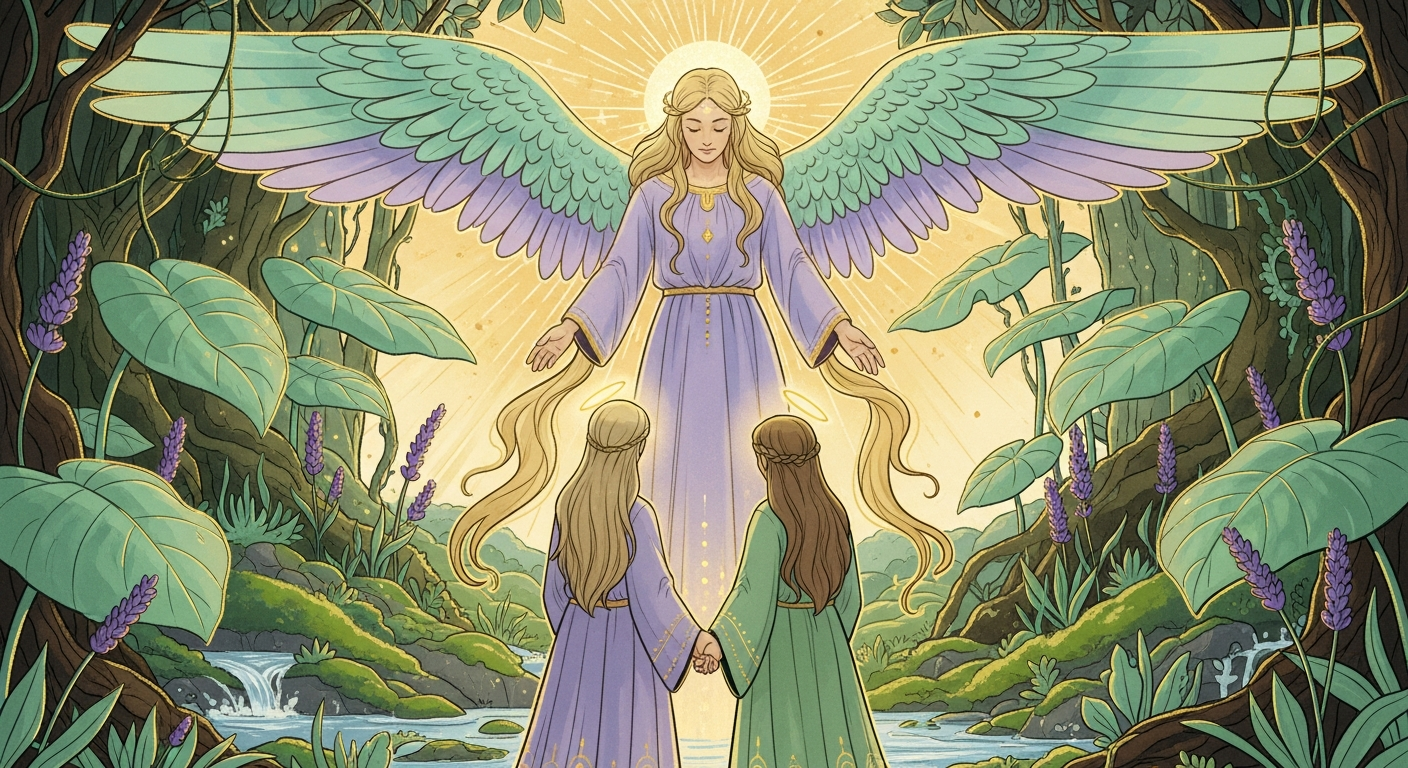
You pull a card from the deck, and there it is — two figures, an angel overhead, a sun blazing in the background. Your first thought is probably something like oh, love stuff. And honestly? That's a completely reasonable first thought. But here's the thing: when A. E. Waite sat down to write about Major Arcana VI in his 1911 book The Pictorial Key to the Tarot, he had quite a bit more on his mind than candlelit dinners and butterflies.
The Lovers card is one of the most misread cards in the deck — not because people are wrong to feel its romantic pull, but because that pull is only one thread in a much richer tapestry. Let's slow down, look closely at the imagery Pamela Colman Smith painted for the 1909 Rider-Waite-Smith deck, and actually listen to what Waite wrote. You might be surprised by what you find.
What's Actually On the Card
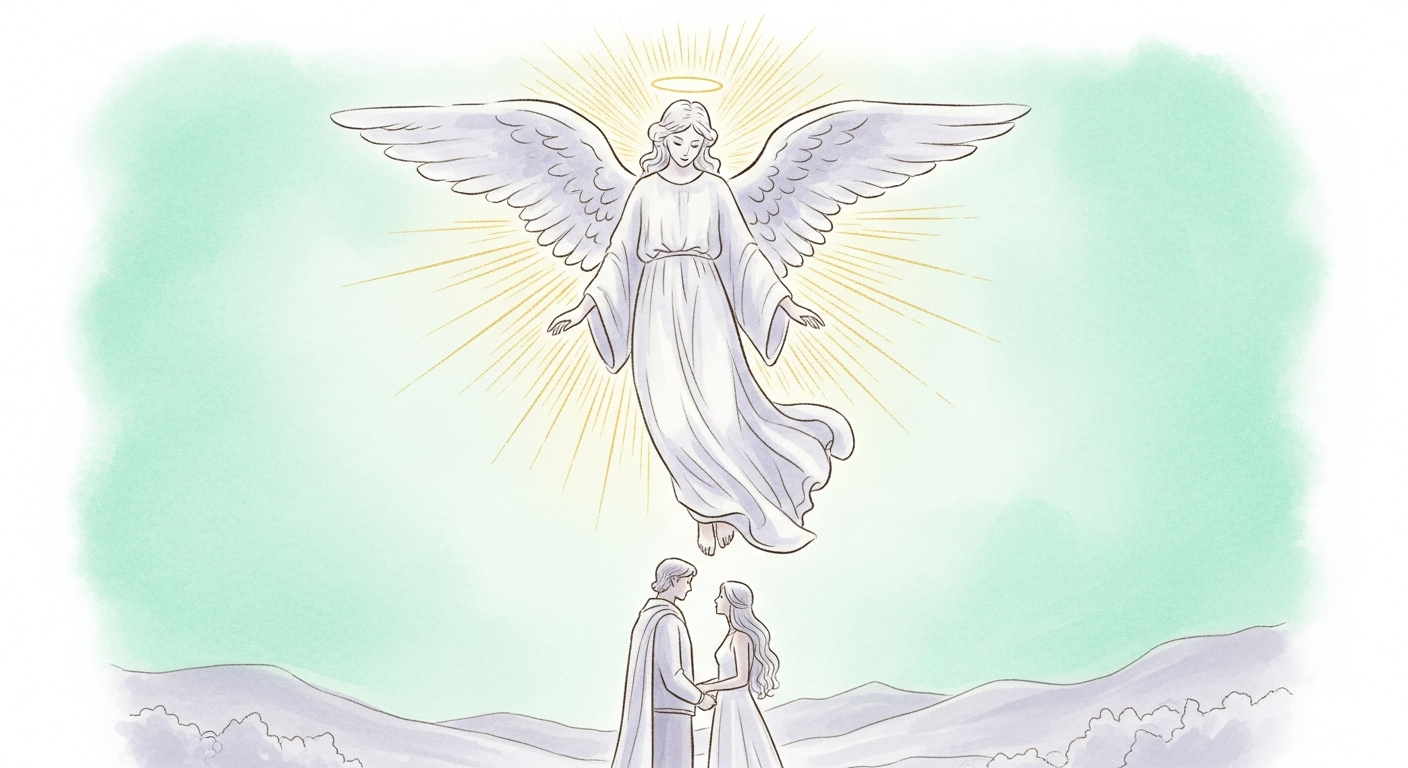
First, the scene itself. As illustrated by Pamela Colman Smith in the Rider-Waite-Smith tarot deck (1909), The Lovers card presents a man and a woman standing in what reads unmistakably as an Eden-like landscape — lush, sun-drenched, abundant. Above them, a great angel hovers in radiant clouds, arms spread wide in a gesture of blessing or perhaps benediction. The imagery is deliberately archetypal, drawing on the visual language of paradise and divine witness.
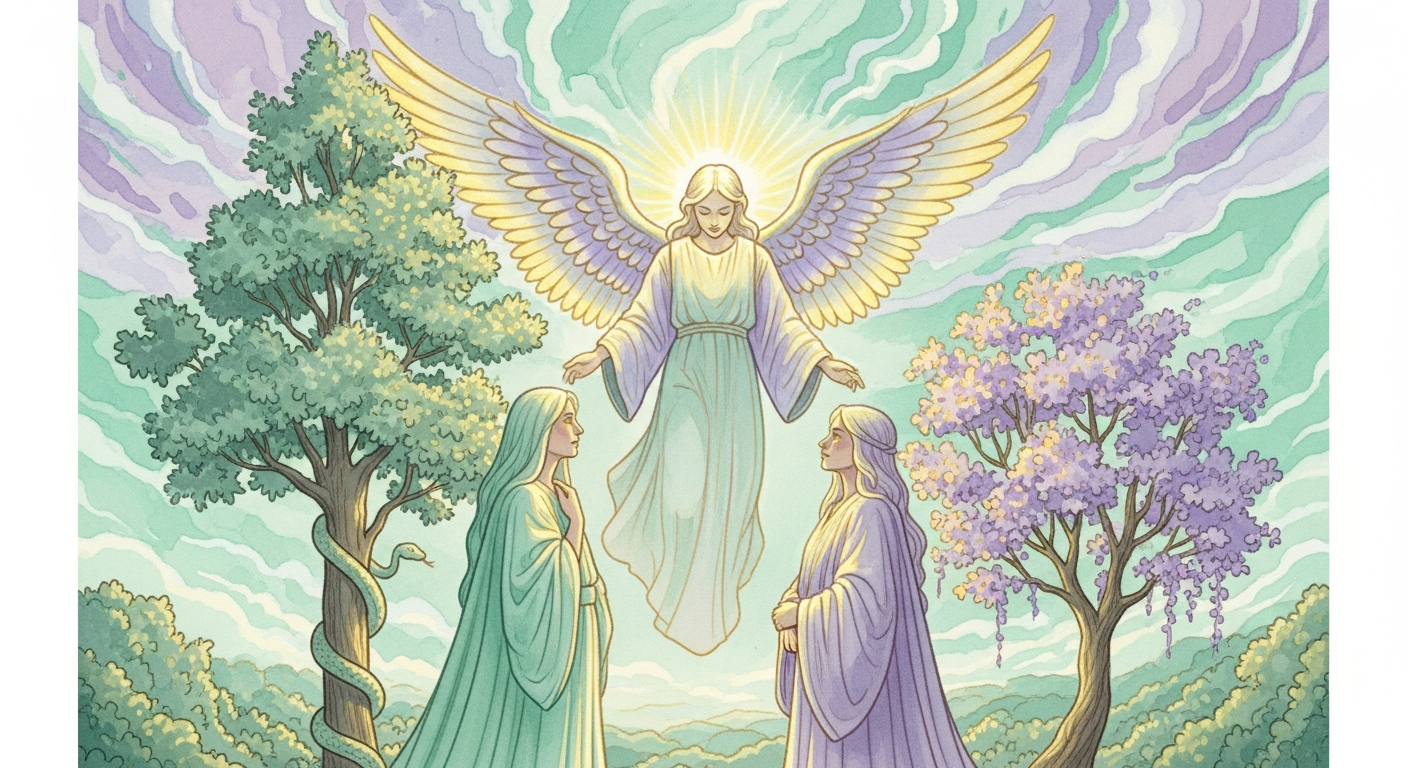
This isn't an accident of artistic style. Smith was a skilled and thoughtful illustrator, and every element she placed on a card was intentional. The angel watching from above, the garden setting, the two human figures — together they create a scene that feels ancient and weighty, like something that matters beyond the personal. Keep that feeling in mind as we turn to Waite's own words.
What Waite Actually Wrote
Here is where things get genuinely interesting. In The Pictorial Key to the Tarot (1911), A. E. Waite describes the divinatory meaning of The Lovers in upright position with a list that includes: attraction, love, beauty, and trials overcome — but also, crucially, he frames the card around the idea of a choice or decision point. Waite emphasizes the human element of discernment: the figures are not simply swept up in feeling; they stand at a crossroads of sorts, with something higher — symbolized by the angel — bearing witness to what they decide.
Waite was careful to note that the card is not simply a love token. He described it as touching on the alignment of inner values, the recognition of what one truly holds dear, and the moment when a person must choose what path to commit to. In his reversed meanings, Waite lists failure, foolish designs, and interference by others — language that points far more toward a corrupted decision-making process than a simple breakup.
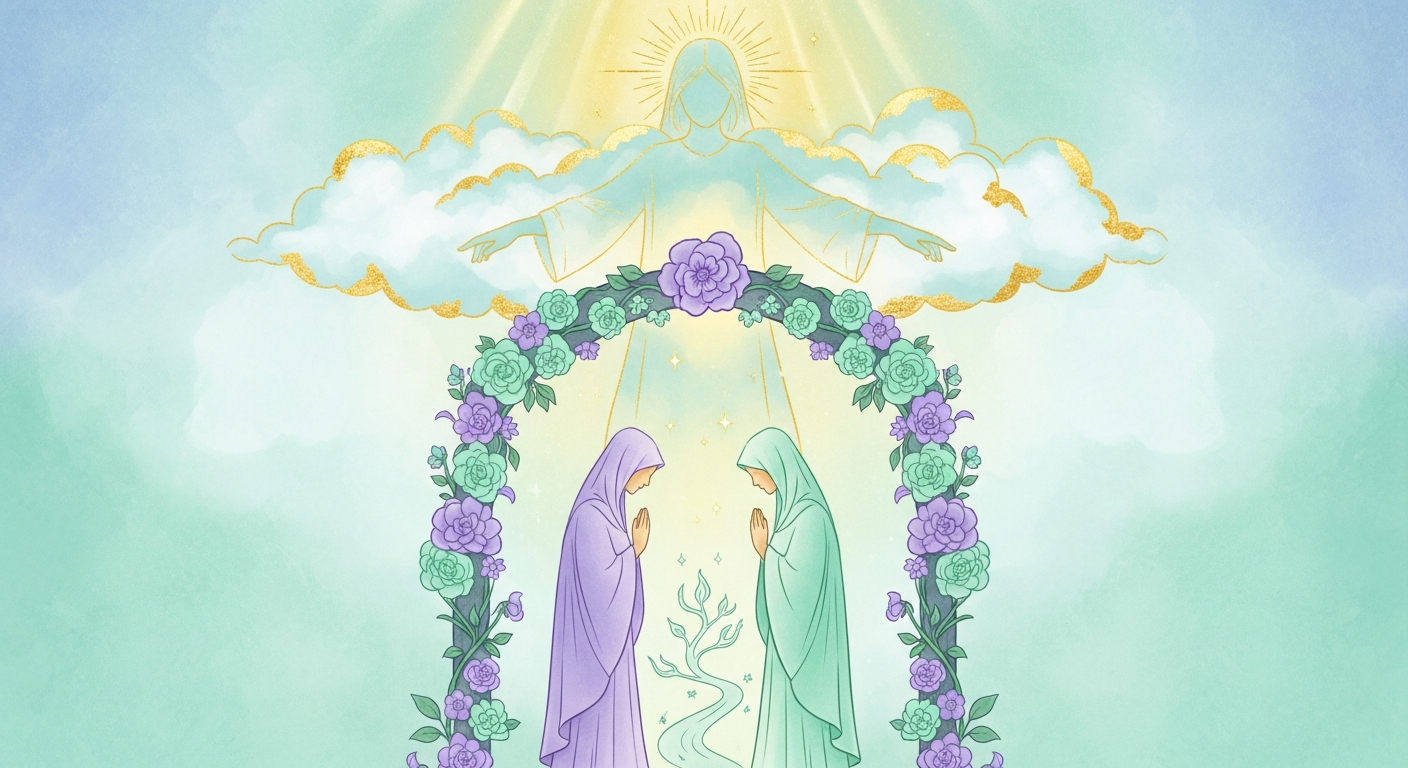
In other words, Waite was describing a card about conscious alignment — the moment you look at your life, your relationships, your values, and ask: Is this really what I choose?
The Angel Changes Everything
Let's return to that angel for a moment, because it's doing a lot of work. In the Rider-Waite-Smith deck's depiction, the angel presides over the scene from above — not intervening, not pulling strings, but witnessing. This is a meaningful distinction. The presence of a divine or cosmic figure watching over a human decision suggests that what's happening below is significant enough to warrant that kind of attention.
Waite, writing in The Pictorial Key to the Tarot, connected the card's symbolism to something he described as a higher union — not just the joining of two people, but the alignment of the human with something greater than the purely personal. The Eden-like setting reinforces this: we are in a space before compromise, before the small daily negotiations of ordinary life. This is a card of original, essential choice.
That framing transforms how you might sit with this card. Instead of asking will I find love?, you might ask: What do I truly value? What am I choosing, right now, with the life I have? Those are much bigger — and arguably much more useful — questions.
So When Does It Mean Romance?
To be fair to the card's reputation: yes, Waite does list love and attraction among The Lovers' upright meanings in The Pictorial Key to the Tarot. The romantic dimension is real and present. But it's worth understanding why love fits here — not because the card is a simple heart emoji, but because genuine love, at its best, is itself an act of deep choice and values alignment. You are choosing this person, this relationship, this future. You are saying: this is what I hold most dear.

Seen that way, the romantic and the philosophical meanings of the card aren't in competition — they're the same thing viewed from different angles. A relationship reading and a life-direction reading can both be entirely valid responses to The Lovers, depending on what question you brought to the table.
Reversed: When the Choice Goes Wrong
Waite's reversed meanings for The Lovers in The Pictorial Key to the Tarot are worth a moment's attention, because they illuminate the upright meaning by contrast. He describes the reversed card as indicating failure, foolish designs, and interference — a picture of what happens when that central act of conscious, values-aligned choosing breaks down. Perhaps the decision was made carelessly. Perhaps outside pressures corrupted it. Perhaps the person chose what looked appealing rather than what was true.
Again, this is not about predicting a specific outcome in your life. Tarot, as a tradition rooted in cultural and symbolic heritage, is best understood as a tool for reflection — a mirror, not a crystal ball. Waite's framework simply gives us a rich vocabulary for thinking about the quality of our choices and the integrity of our commitments.
So the next time The Lovers appears in a spread, take a breath before you leap to the romance reading. Ask yourself what choice is currently live in your life. Ask what you actually value. Ask what it would mean to align your actions with that truth — and to do so with something like the full, witnessed, angel-blessed intention that Pamela Colman Smith painted into that sunlit garden back in 1909.
That's a card worth pulling.
- A. E. Waite, The Pictorial Key to the Tarot, 1911. Source for all divinatory meanings, card descriptions, and authorial interpretations attributed to Waite in this article.
- Rider-Waite-Smith tarot deck (1909), illustrated by Pamela Colman Smith. Source for all descriptions of the card's visual imagery, including the figures, angel, and Eden-like setting.
This article is offered for cultural reflection and educational exploration of tarot's history and symbolism. It is not intended as prediction, fortune-telling, or advice of any kind.
If The Lovers card got you thinking about values, decisions, and what you truly want, Lunaple's tarot readings offer a gentle, thoughtful space to explore those questions further.
Explore Your ReadingFor entertainment purposes only. Not a substitute for professional, medical, legal, or financial advice.
← Back to the Journal