
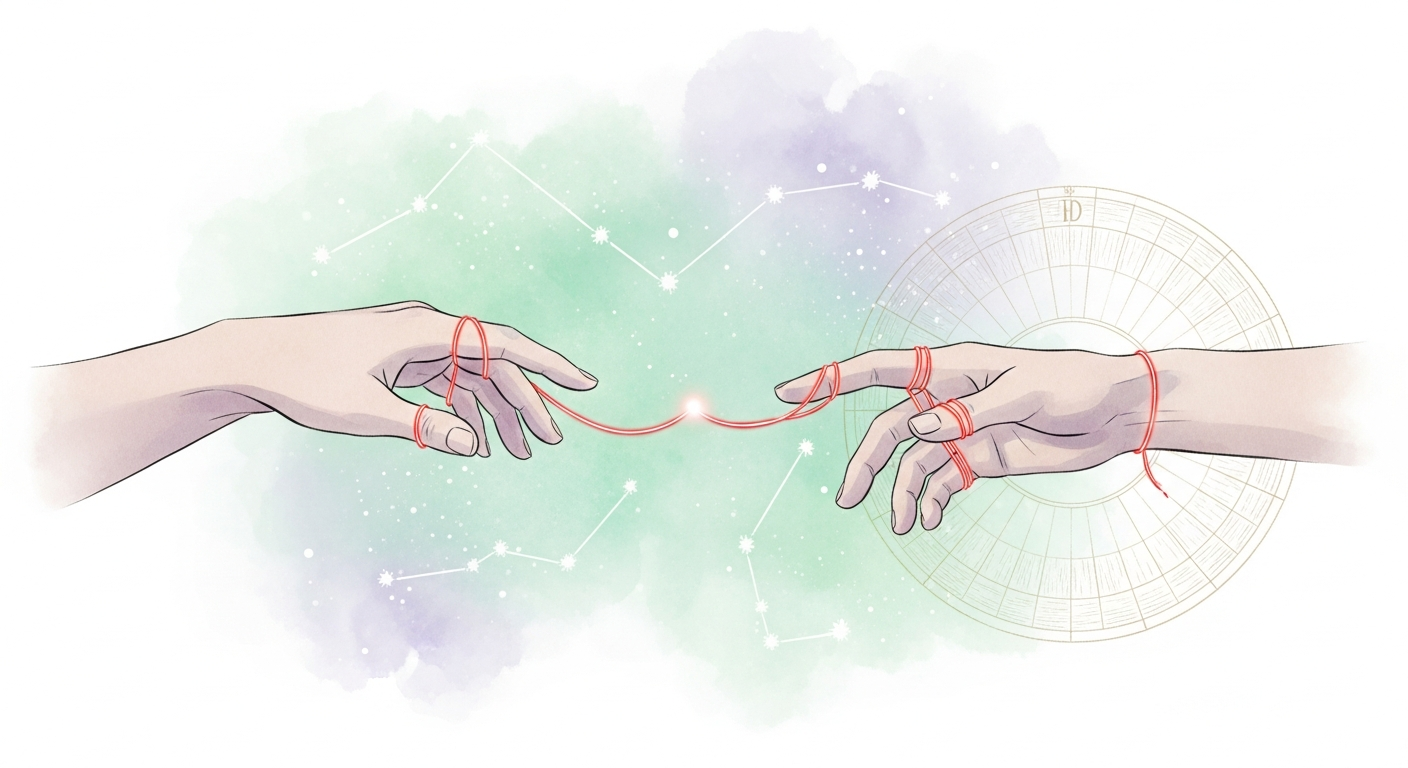
If your thumb is tired and your faith in the swipe is running low, here's a comforting thought: people have been overthinking compatibility for centuries. Long before anyone built an app to do it, whole cultures had elaborate systems for asking the same question we type into our phones at midnight — are we actually a good match?
The twist is that the original "algorithms" didn't run on selfies or witty bios. They ran on the sky. Specifically, on the exact moment each person was born. Two of the most enduring systems come from China and India, and they're still used today. Let's meet them.
Chinese BaZi: the "Eight Characters" of you
In Chinese astrology, BaZi (八字) literally means "Eight Characters," and it's also known as the Four Pillars of Destiny. Your chart is built from your birth year, month, day, and hour — four "pillars," each made of two characters, which is where the eight comes from.
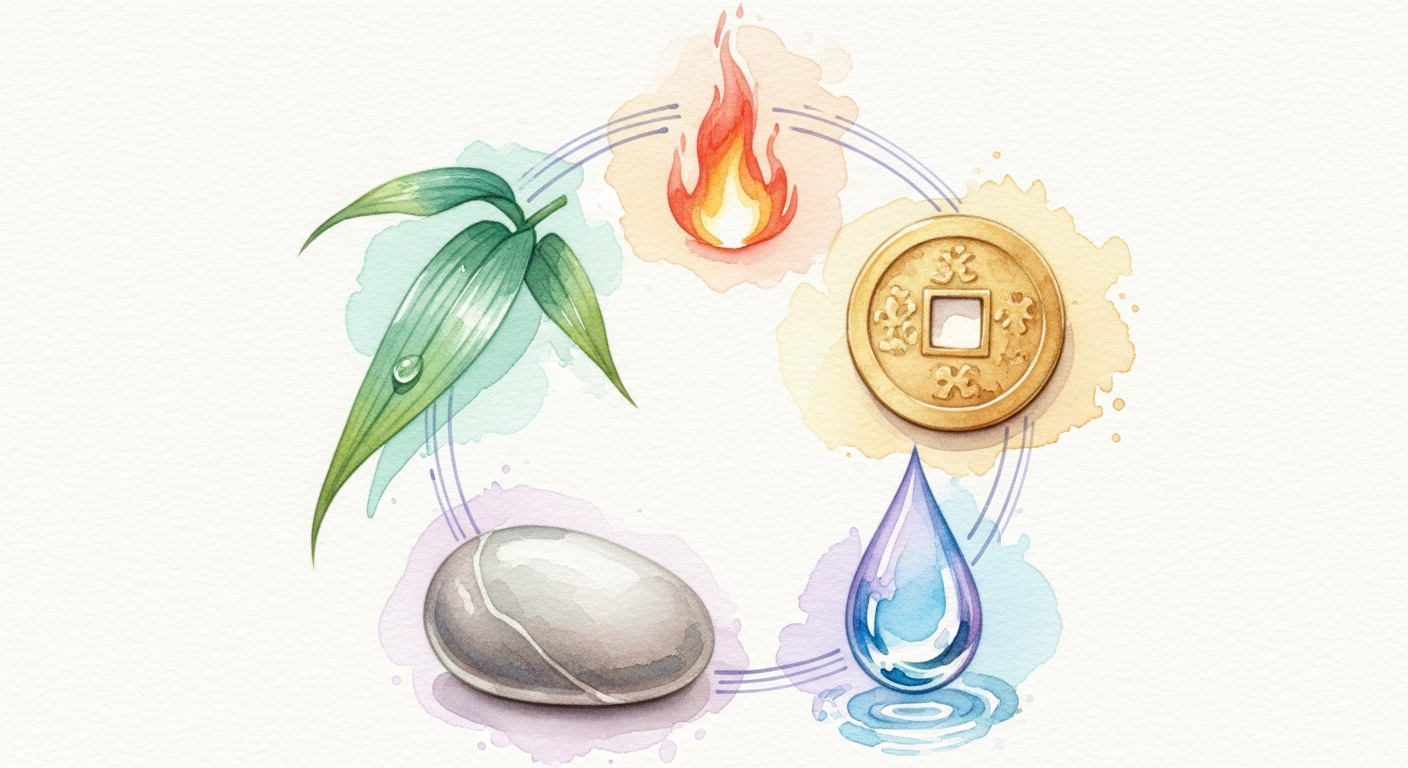
For matchmaking, two people's charts are placed side by side to see how their energies interact. A big part of this is the Five Elements — Wood, Fire, Earth, Metal, and Water — and whether the couple's elements support and balance each other or clash. Practitioners also look closely at the Day Pillar: the Day Stem represents the self, and the Day Branch is traditionally called the Spouse Palace, the part of the chart tied to marriage and your partner.
So instead of "you both like hiking," the question was closer to: does her Fire warm his Metal, or melt it? It's less of a yes/no and more of a reading of how two natures move together over time.
Vedic Kundali Milan: love, scored out of 36
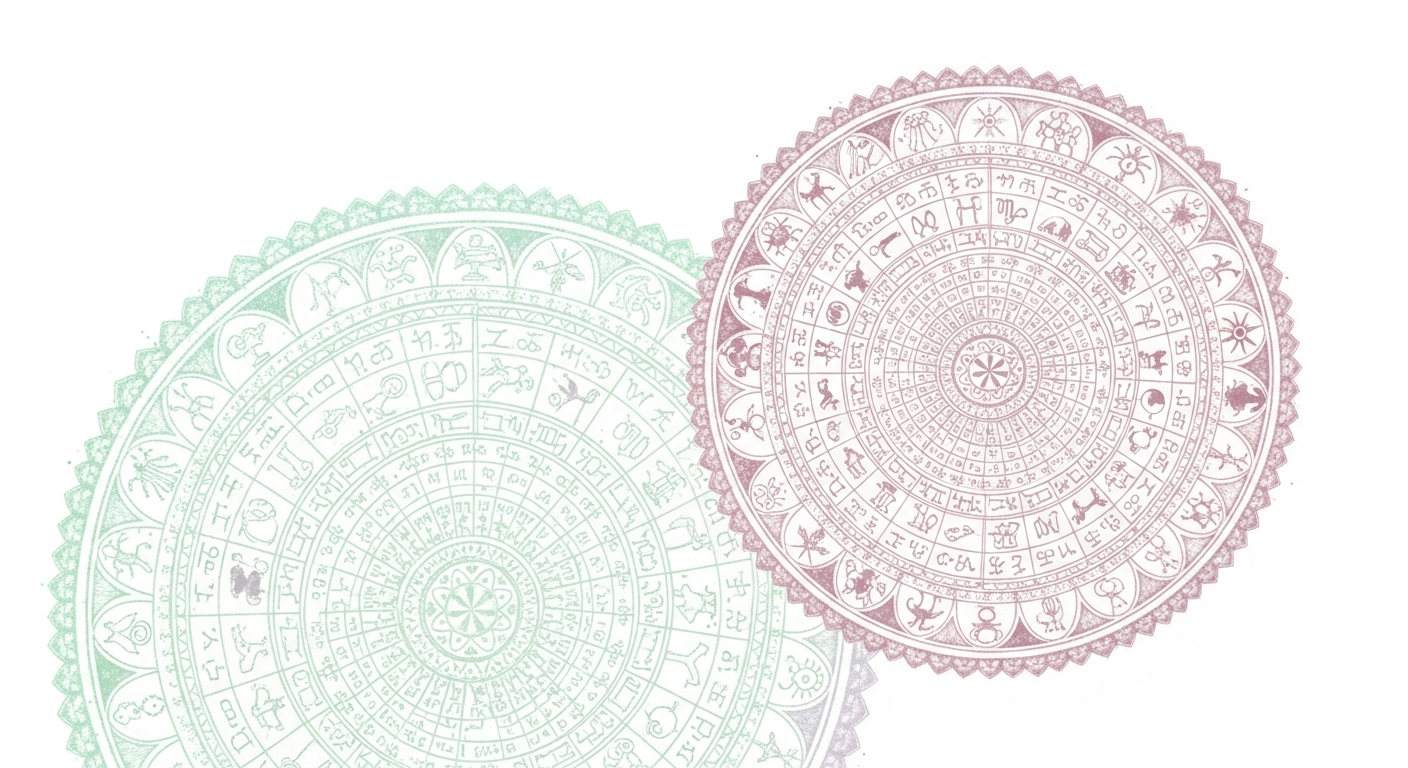
If BaZi reads like poetry, India's Kundali Milan reads like a beautifully precise scorecard — and honestly, dating-app fans might feel weirdly at home here. The most popular method in North India is the Ashtakoota system, also called Guna Milan. "Ashta" means eight and "Koota" means aspects, so the couple is checked across eight categories that add up to a total of 36 points (or "gunas").
Each of the eight kootas weighs something different:
- Varna (1): ego and temperament
- Vashya (2): mutual attraction and influence
- Tara (3): destiny and well-being
- Yoni (4): intimacy and physical compatibility
- Graha Maitri (5): mental connection and friendship
- Gana (6): temperament and shared nature
- Bhakoot (7): emotional bond and life direction
- Nadi (8): health and deeper constitutional harmony
The benchmark most people know: a score above 18 out of 36 is considered an auspicious match, with higher scores seen as more favorable. It's the original compatibility percentage — except a family astrologer was running the numbers, not a recommendation engine.
Why this still feels so familiar
Here's what gets me. Strip away the centuries and these traditions were chasing exactly what we are: some signal, any signal, that a connection has a real shot. We've just swapped sky charts for sorting filters and gut-feel for a green heart.
What I love is that the old systems never pretended a chart could promise a happy ending. They offered a starting point, a language for talking about two people's differences with curiosity instead of dread. A high BaZi reading or a strong Guna score didn't mean "done" — it meant "worth exploring, gently."
So the next time the swiping feels soulless, take heart: wanting proof that someone might be "the one" isn't a modern neurosis. It's one of the oldest, most human things there is. We just used to look up to find it.
Before you score anyone else, meet the chart you were born under — see how your own elements and placements line up.
See Your Birth ChartFor entertainment purposes only. Not a substitute for professional, medical, legal, or financial advice.
← Back to the Journal