Let's be honest about the moment. You're shuffling, you turn over a card, and there it is — a skeleton in armor, the word DEATH printed right at the bottom. Your stomach drops. Almost everyone has felt that little jolt, so if it happened to you, you're in very good company.
Here's the part nobody tells you first: experienced readers tend to smile when this card shows up. Not because they're being dramatic, but because of what it has meant in the tarot tradition for over a century. So before you spiral, let me walk you through where this card actually comes from — and why it's so often read as a quiet kind of good news.
The most famous version of this card lives in the Rider-Waite-Smith deck, illustrated by artist Pamela Colman Smith and commissioned by Arthur Edward Waite. It was published in London by William Rider & Son in 1909, and it's still the best-selling tarot deck in the world — which is exactly why this is the Death card most of us picture.
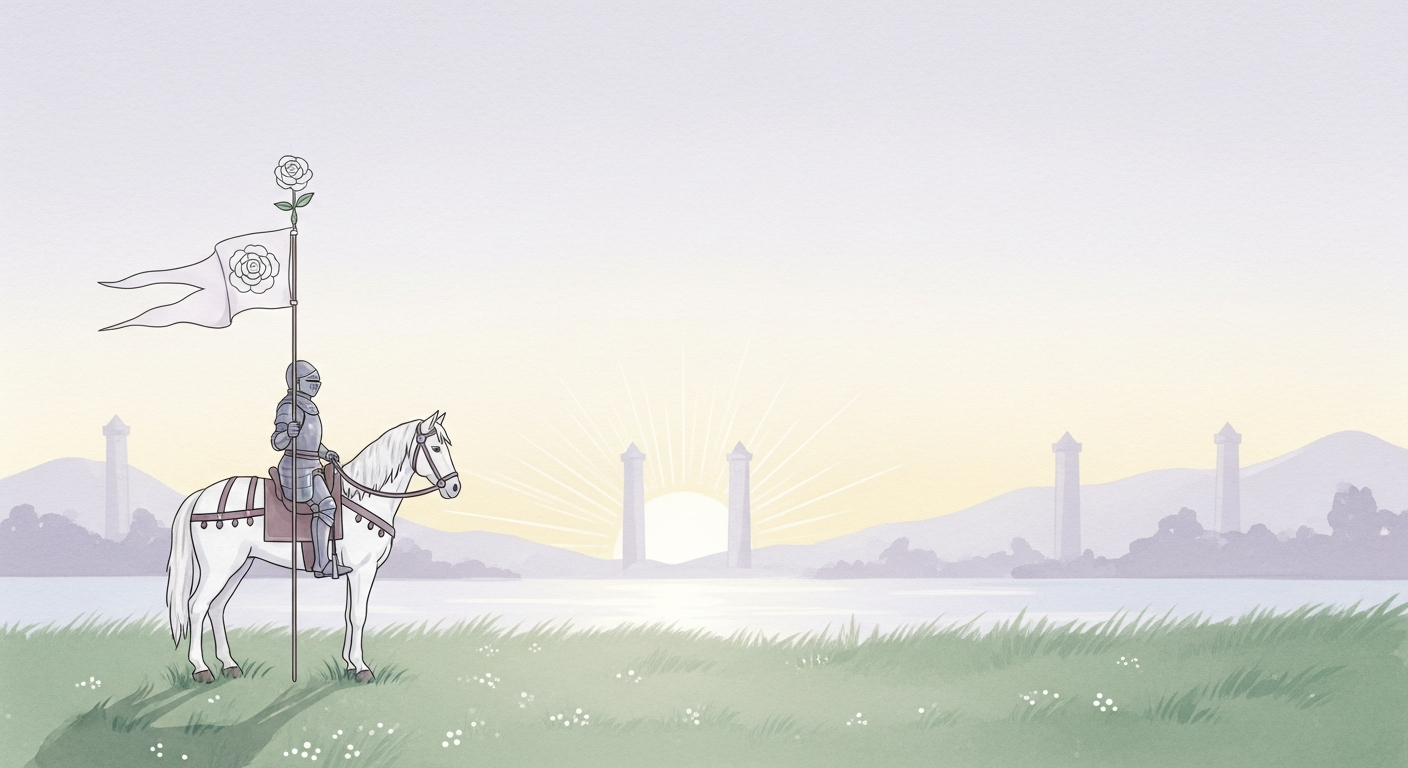
And the man who designed it told us, in writing, what he meant by it. In his 1911 guide The Pictorial Key to the Tarot, Waite describes the scene not as an ending but as a passage. "The veil or mask of life is perpetuated in change, transformation and passage from lower to higher," he writes. Look closer at the card and the clue is right there: the horseman carries a black banner emblazoned with a white rose — what Waite calls the Mystic Rose, "which signifies life." A symbol of life, carried through the middle of the scariest-looking card in the deck. That's not an accident.
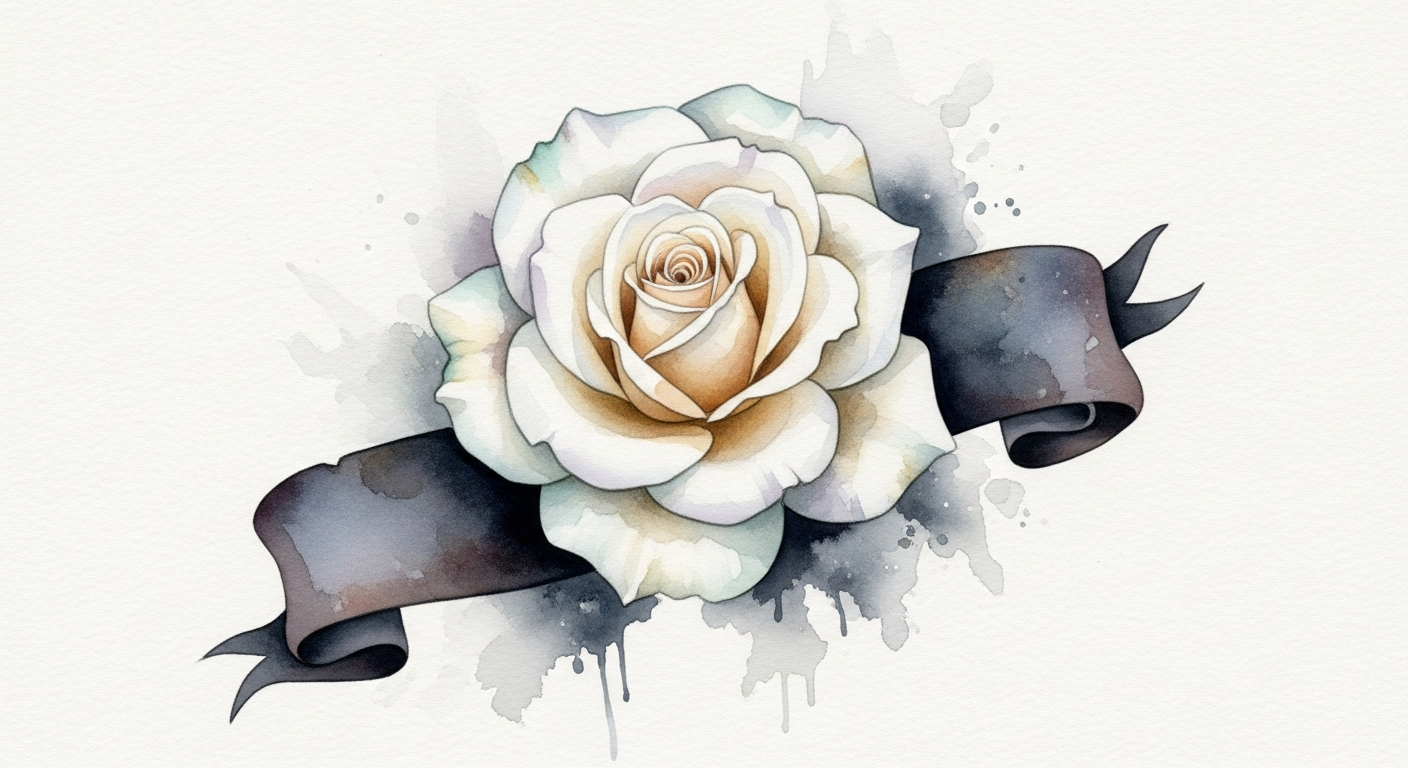
The Death card upright: transformation, not the end
When the card appears upright, the tradition reads it as a doorway. Something is concluding so that something else can begin — Waite's "passage from lower to higher." In modern practice it's commonly tied to keywords like transformation, endings, transition, release, and letting go. Think of the chapter of a book turning, not the book being thrown away.
So when this card meets your eyes, a gentler question to sit with is: what in my life is already quietly ending — a habit, a worry, an old version of me — and what might have room to grow once I stop holding on? That's reflection, not prophecy. The card isn't predicting an event; it's offering you a mirror.
It's worth being precise here, because honesty matters. Waite's own divinatory wording for this card was actually quite stark — he listed meanings like "End, mortality, destruction, corruption." But the heart of his teaching, the imagery he chose and explained, points past the grim vocabulary toward renewal: the rose, the dawn, the rising sun on the horizon. Generations of readers have leaned into that hopeful thread, which is why "transformation" is the meaning you'll hear most often today.
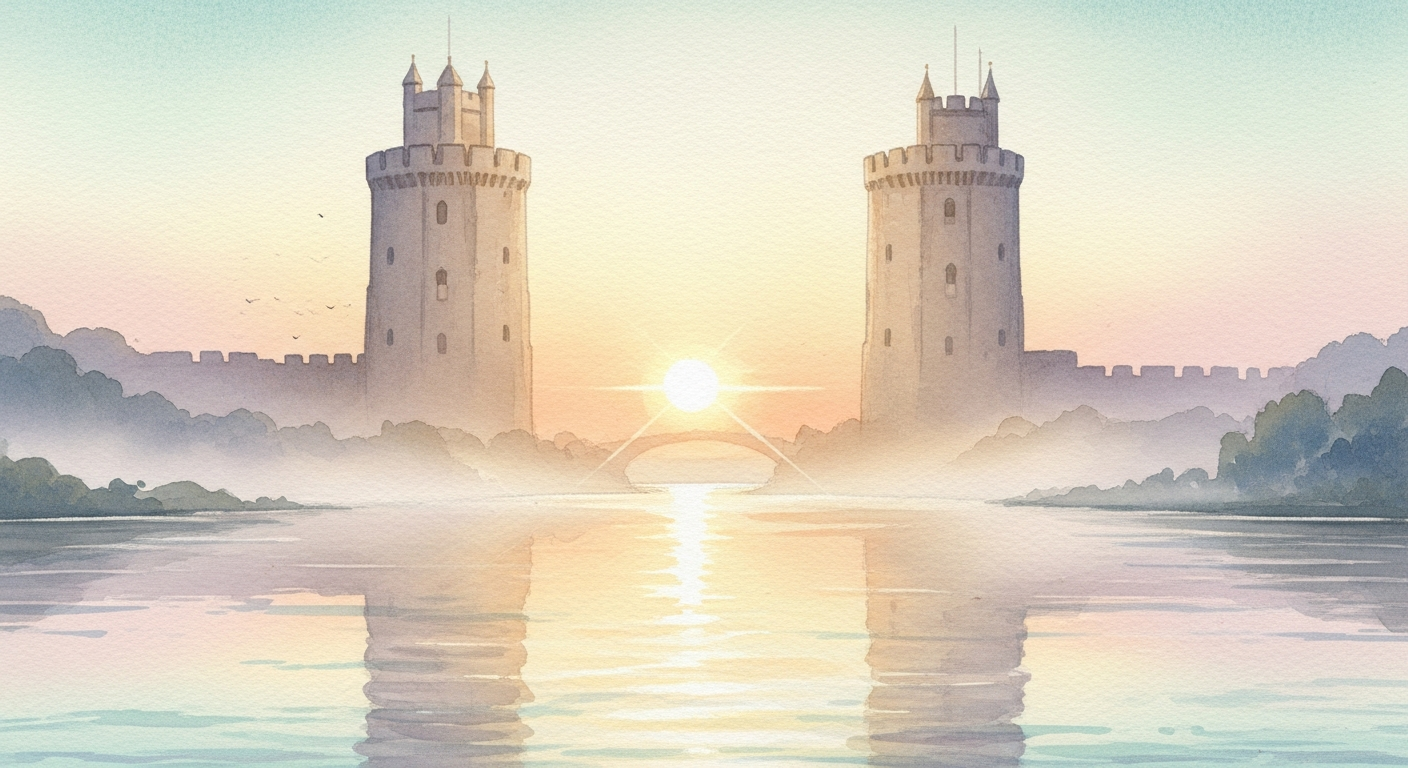
The Death card reversed: resistance to letting go
Turned upside down, the card shifts its tone. Waite's reversed meanings include "Inertia, sleep, lethargy" and "hope destroyed" — and contemporary readers usually frame this as a kind of stuckness: clinging to what's already over, resisting a change that's trying to happen, staying in a familiar pattern because the unknown feels scarier than the rut.
If that lands a little close to home, it doesn't have to feel like a scolding. A kinder way to hold the reversed card is as a soft nudge from a friend: what am I gripping so tightly that I've stopped letting it breathe? Sometimes naming the thing we're afraid to release is the whole shift.
That's really the secret of the Death card. It looks like the end and reads like a beginning. It's the deck's way of saying that letting go and starting over are two halves of the same motion — and that the scariest-looking moments are often the ones quietly making room for what's next. Not a warning. An invitation.
Pull a single card and sit with what it gently brings up for you — no fear required.
Pull a CardFor entertainment purposes only. Not a substitute for professional, medical, legal, or financial advice.
← Back to the Journal