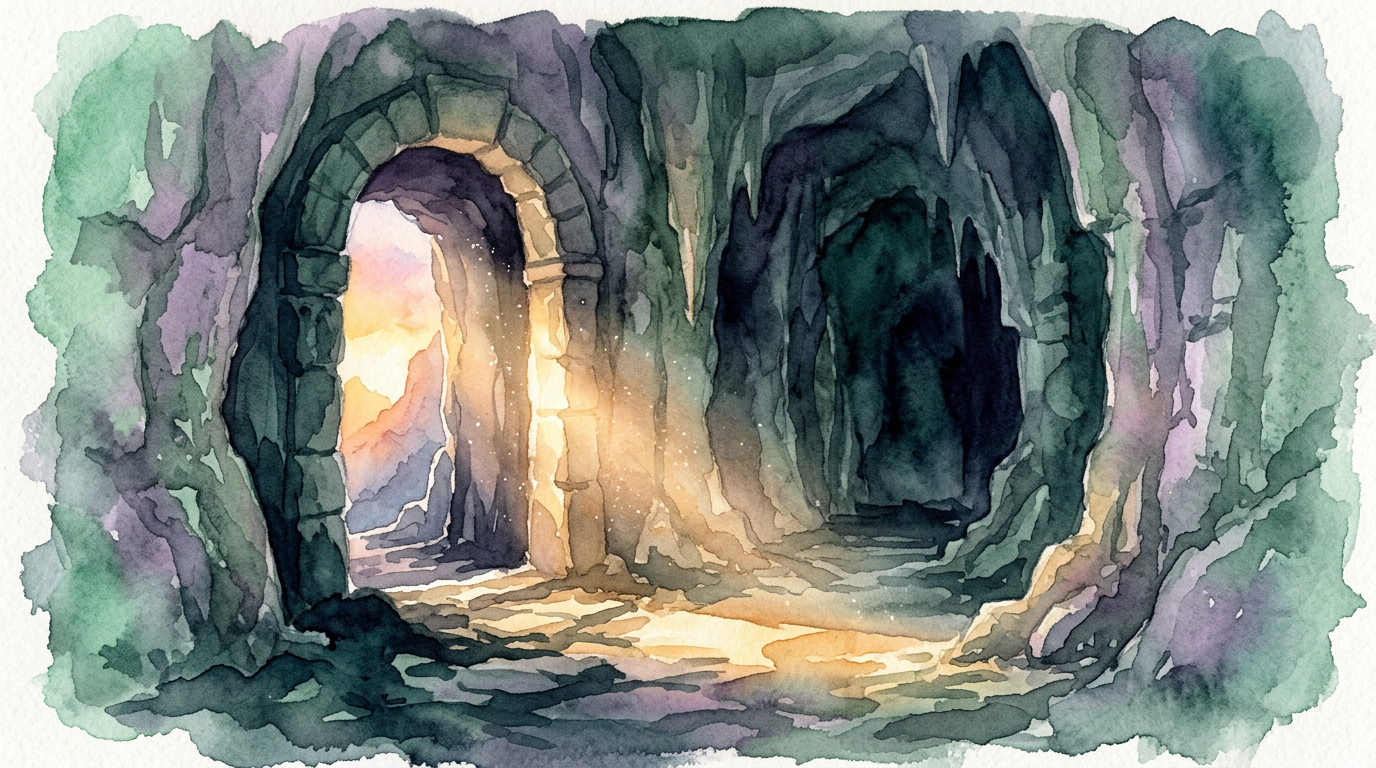
Twice a year the sun hits its extreme — and ancient builders made sure they'd have a front-row seat. According to NASA, solstices and equinoxes are real, measurable astronomical events, and thousands of years ago, people were already engineering monuments to mark them in stone.
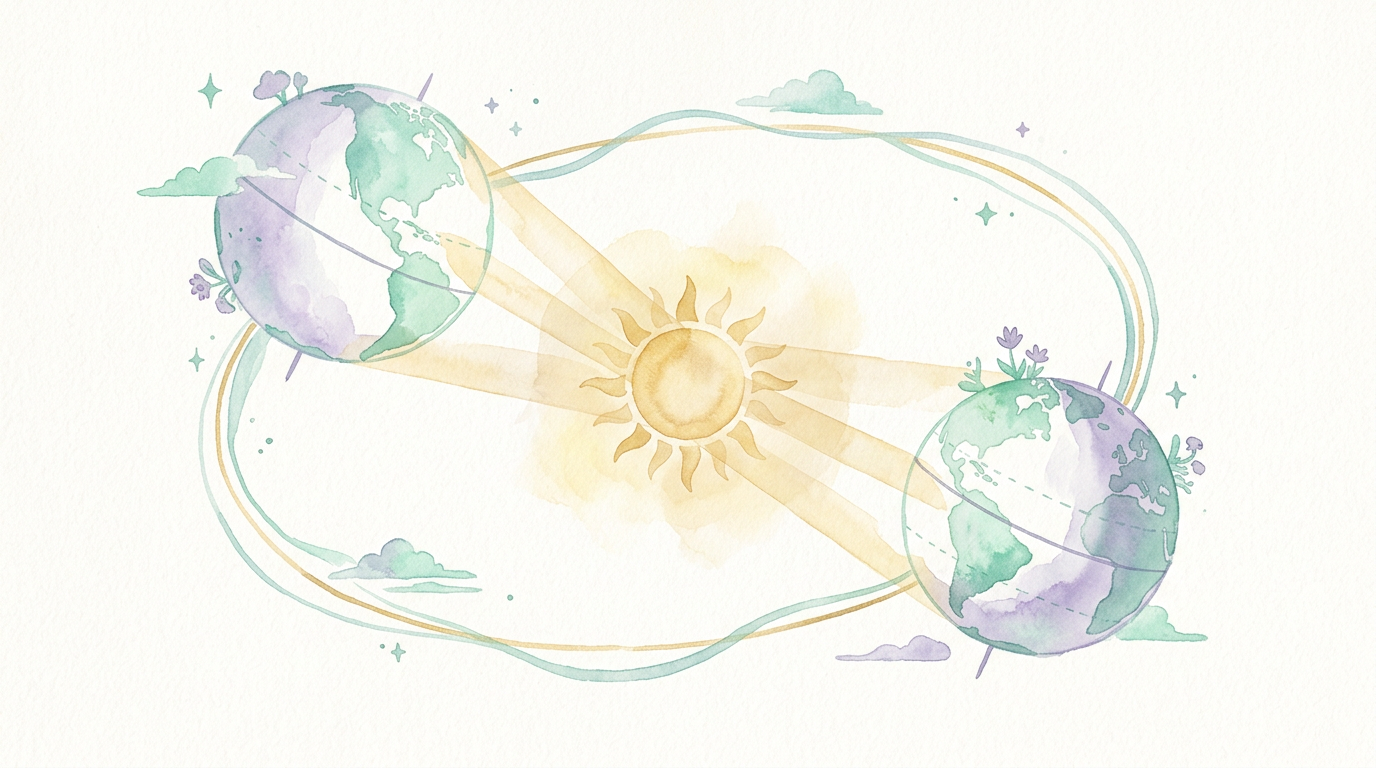
Okay but what actually IS a solstice?
Per NASA, a solstice happens twice a year — once in June, once in December — when the sun reaches its northernmost or southernmost point in the sky relative to Earth's equator. The equinoxes, also two per year, are the moments when day and night are roughly equal in length. These are the four great turning points of the solar year, and they're not folklore — they're geometry.
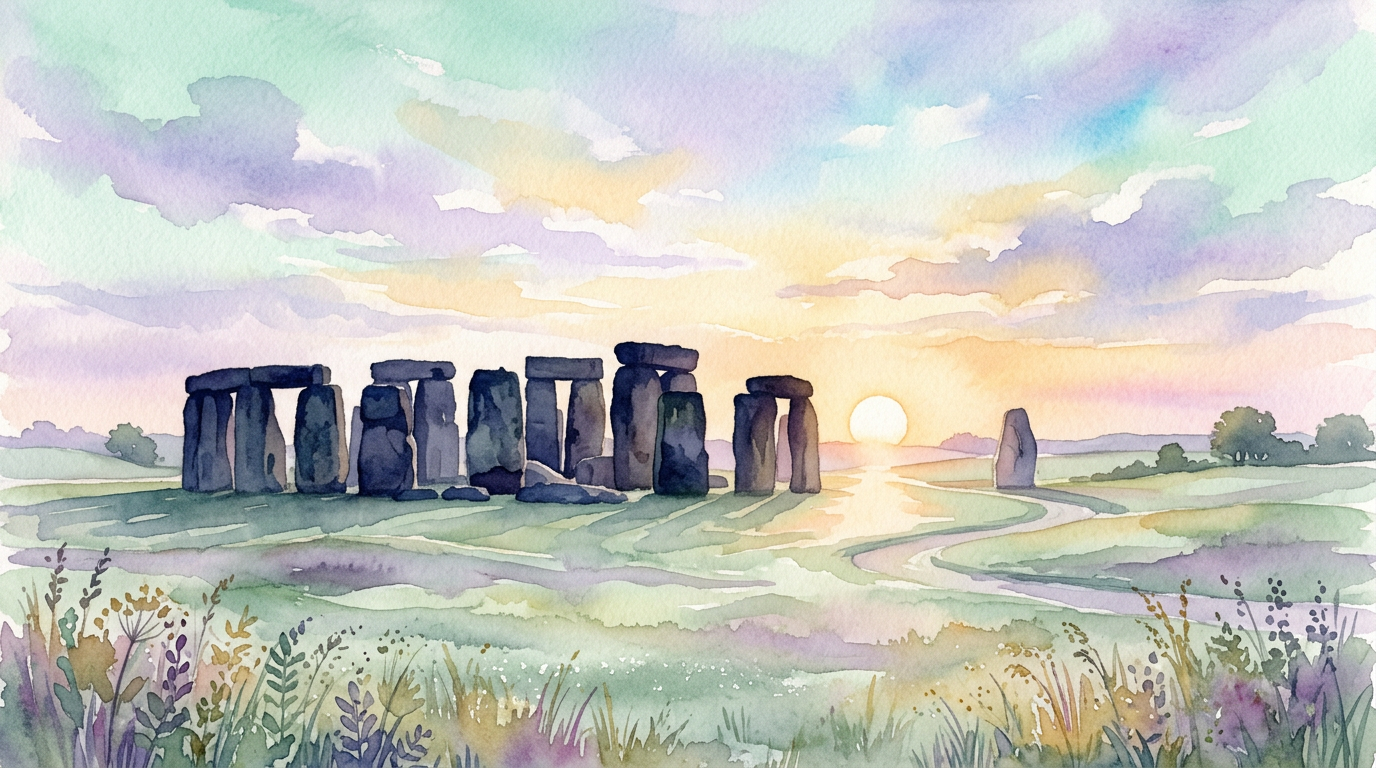
Stonehenge: the world's most famous solar alarm clock
According to English Heritage, Stonehenge in Wiltshire, England is deliberately aligned to the midsummer sunrise and the midwinter sunset. Stand in the right spot at the right moment and the sun lines up with the stones like a key in a lock. That's not coincidence — it's intentional, ancient architecture working exactly as designed, thousands of years later. The fact that it still works is honestly a little humbling.
Newgrange: older than Stonehenge, just as precise
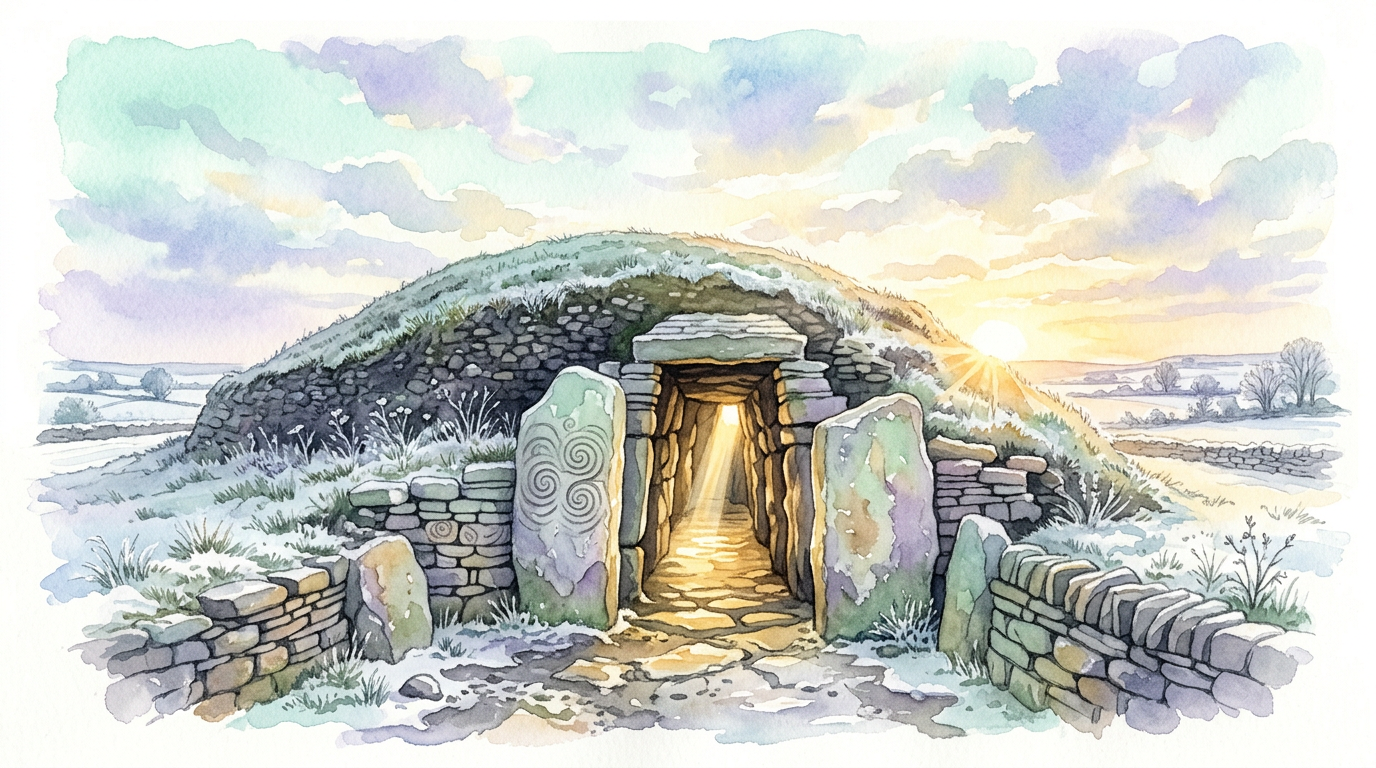
If Stonehenge is the famous one, Newgrange in County Meath, Ireland is the quietly extraordinary one. The Office of Public Works documents that this Neolithic passage tomb — built before Stonehenge — is aligned so that the rising sun on the winter solstice shines directly through a specially designed opening and illuminates the inner chamber. One morning a year, light travels the length of the passage and floods a space that otherwise sits in complete darkness. People were engineering that moment into rock before the wheel was widely in use. Same.
Why does this still feel so significant?
The astronomy hasn't changed. NASA's definitions of solstices and equinoxes describe the same events those builders were tracking. What's striking is that without telescopes, computers, or written records, ancient communities identified these turning points precisely enough to build permanent, accurate monuments around them. The solstice wasn't just a date on a calendar — it was something worth commemorating in stone that would last millennia. Whether that speaks to spiritual meaning, agricultural necessity, or sheer human stubbornness about marking time, the monuments are still here making their point every single year.
The sun rises. The light finds the gap. The stone does exactly what it was built to do.
- NASA, Solstices and Equinoxes, science.nasa.gov — astronomical definitions of the solstices and equinoxes.
- English Heritage, Stonehenge Solstice Alignment — documentation of Stonehenge's alignment to the midsummer sunrise and midwinter sunset.
- Office of Public Works (Ireland), Newgrange Winter Solstice Alignment — records the Neolithic passage tomb's alignment so the rising midwinter sun illuminates its inner chamber.
This article is offered for cultural reflection and appreciation of ancient astronomy, not as prediction or spiritual guidance.
The solstices and equinoxes have marked time for millennia — and your birth chart is your personal snapshot of the sky. Explore what the stars looked like the moment you arrived.
Read My ChartFor entertainment purposes only. Not a substitute for professional, medical, legal, or financial advice.
← Back to the Journal