
The Perseids are back — and 2026 might be the year you finally stop sleeping through them. According to NASA Science, the shower peaks overnight August 12 into August 13, with up to 50–100 meteors per hour under good conditions. And per the American Meteor Society, 2026 brings a new Moon right at the peak, meaning darker skies and fewer excuses.
Wait — what even are the Perseids?
NASA Science explains that the Perseids run annually from mid-July all the way to late August, so you're not imagining it when you spot a random shooting star in early August. The shower peaks in the middle of that window, and the overnight stretch from August 12 into August 13 is your sweet spot. No telescope needed. No astronomy degree required. Just eyes, darkness, and a willingness to lie on the ground and stare up for a while.
Why is 2026 actually a good year to go?
Here's the thing: meteor showers don't care about your schedule, but the Moon does. The American Meteor Society confirms that 2026 brings favorable viewing conditions because a new Moon coincides with the peak. A new Moon means it rises and sets with the Sun, so it won't be washing out the sky with extra light when you're out there at 1 a.m. in a field. That's a genuinely big deal — a bright Moon can drown out fainter meteors entirely. This year, you get the full show.
How to actually see them (the real how-to part)
- Get away from city lights. NASA Science notes that good conditions are the key variable — and "good" means dark. Even driving 30–45 minutes out of town makes a massive difference.
- Go out after midnight. The hours after midnight and before dawn are traditionally the prime window, as Earth rotates into the meteor stream more directly.
- Give your eyes 20–30 minutes. Your night vision needs time to adjust. Put your phone face-down. Yes, really.
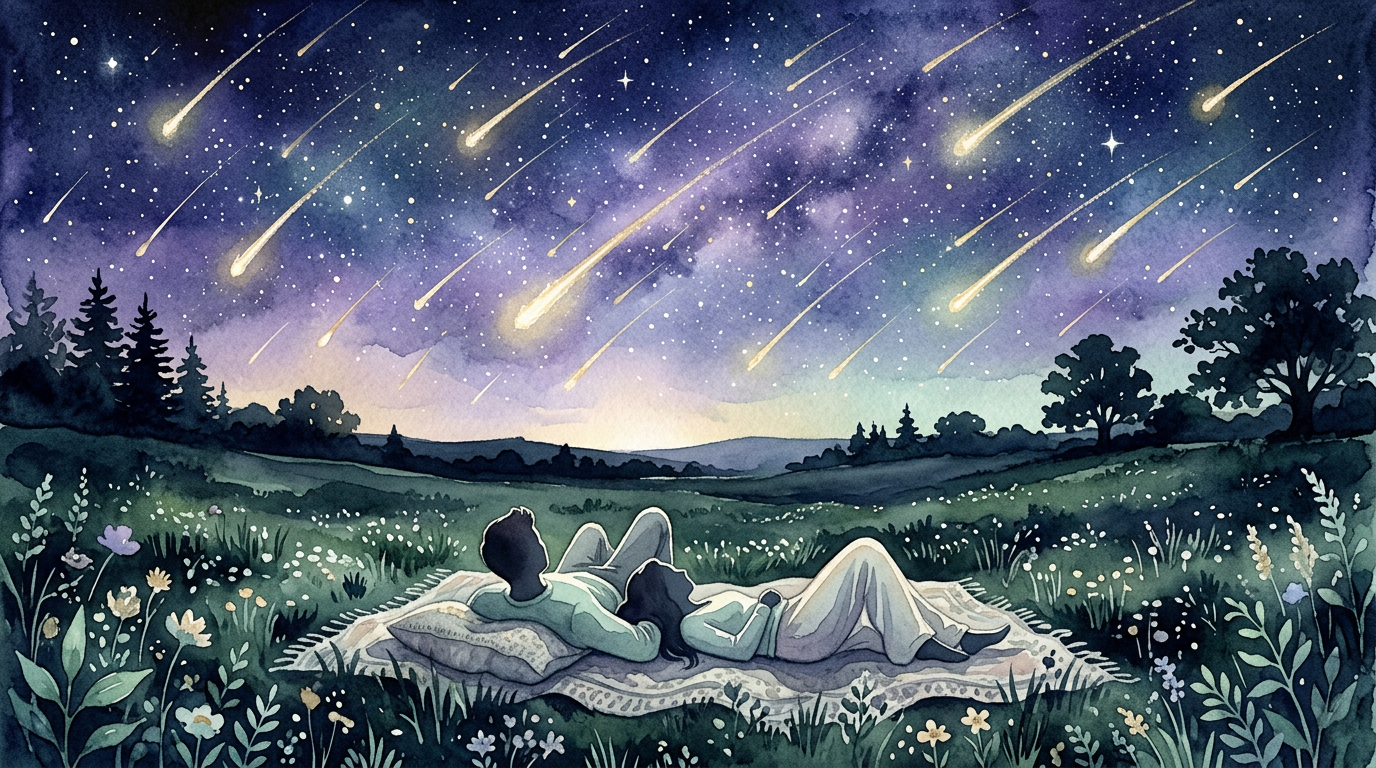
- Lie flat and look up. You want as much sky as possible in your field of view. A blanket, a reclining chair, or just the actual ground all work fine.
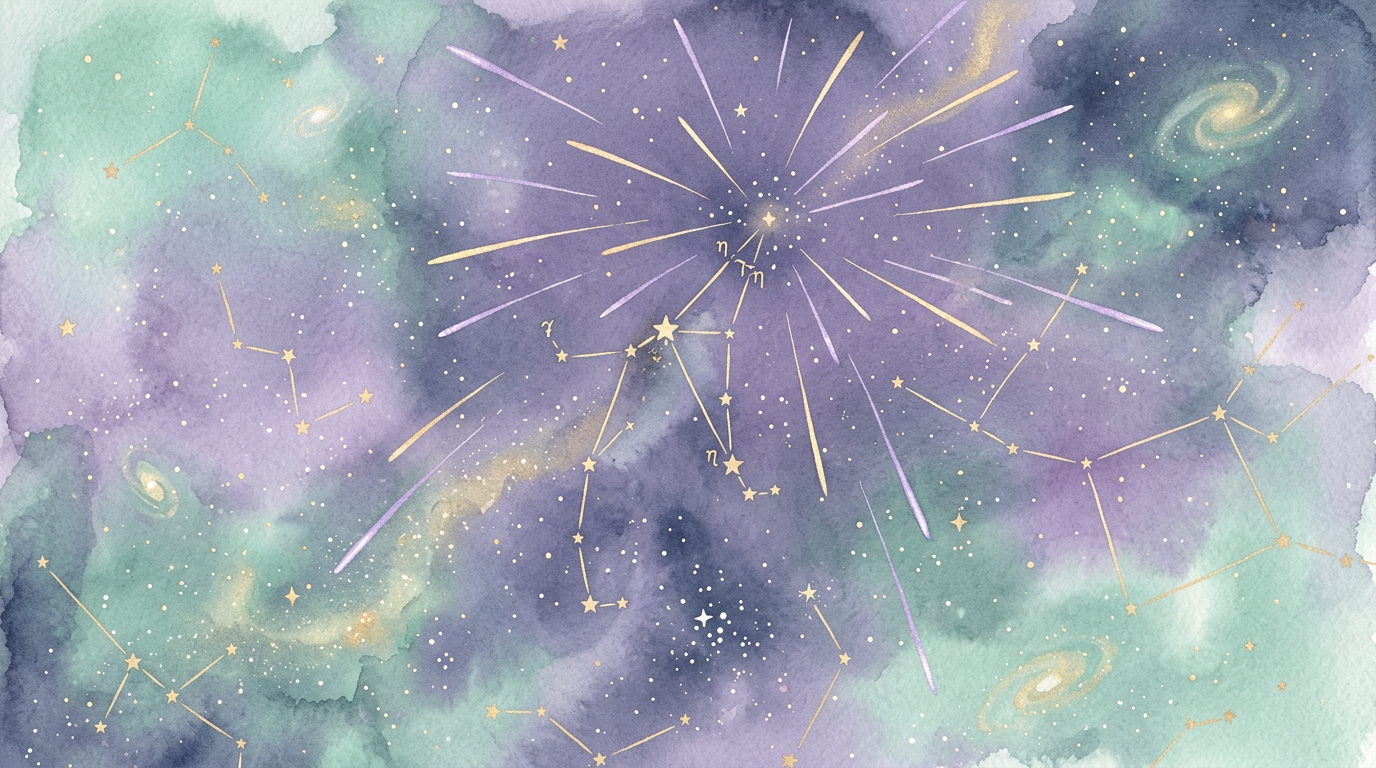
- Don't stare at one spot. Meteors can appear anywhere in the sky, though NASA Science notes they radiate from the direction of the constellation Perseus — hence the name.
Is this worth losing sleep over?
Honestly? Yes. NASA Science puts the Perseids at up to 100 meteors per hour under good conditions — that's nearly two a minute at peak. The American Meteor Society says 2026 lines up with a new Moon, so those conditions are genuinely within reach this year. Set an alarm for 1 a.m. on August 12. Tell yourself it's self-care. It basically is.
- NASA Science, Perseid meteor shower, science.nasa.gov — confirms annual shower window (mid-July to late August), peak date (overnight August 12–13), and rate of 50–100 meteors per hour under good conditions.
- American Meteor Society, Perseid meteor shower data — confirms 2026 favorable viewing conditions and a new Moon coinciding with the peak.
This article is offered for cultural enjoyment and practical stargazing inspiration, not as a prediction or guarantee of specific viewing outcomes.
The Perseids are just the beginning — Lunaple can help you track every celestial moment worth staying up for, personalized to you.
Explore LunapleFor entertainment purposes only. Not a substitute for professional, medical, legal, or financial advice.
← Back to the Journal