
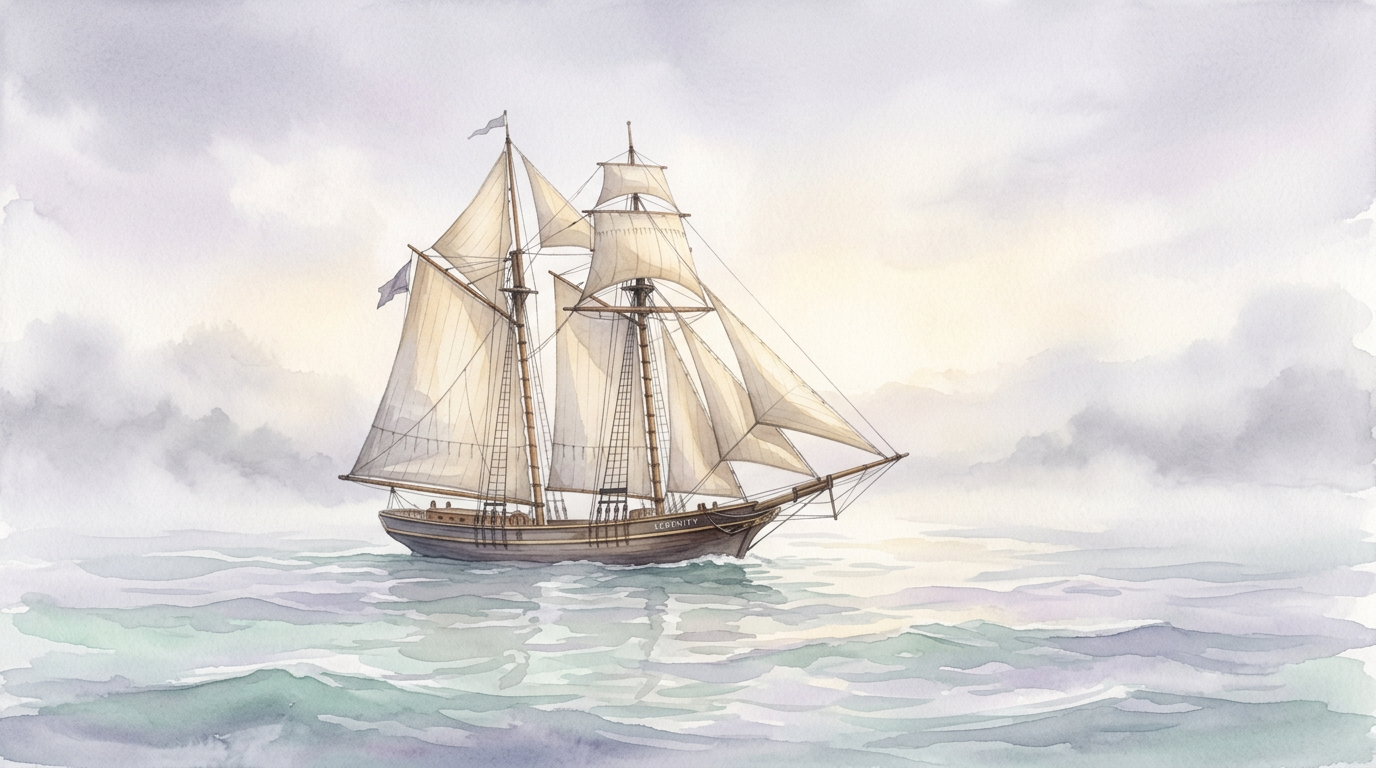
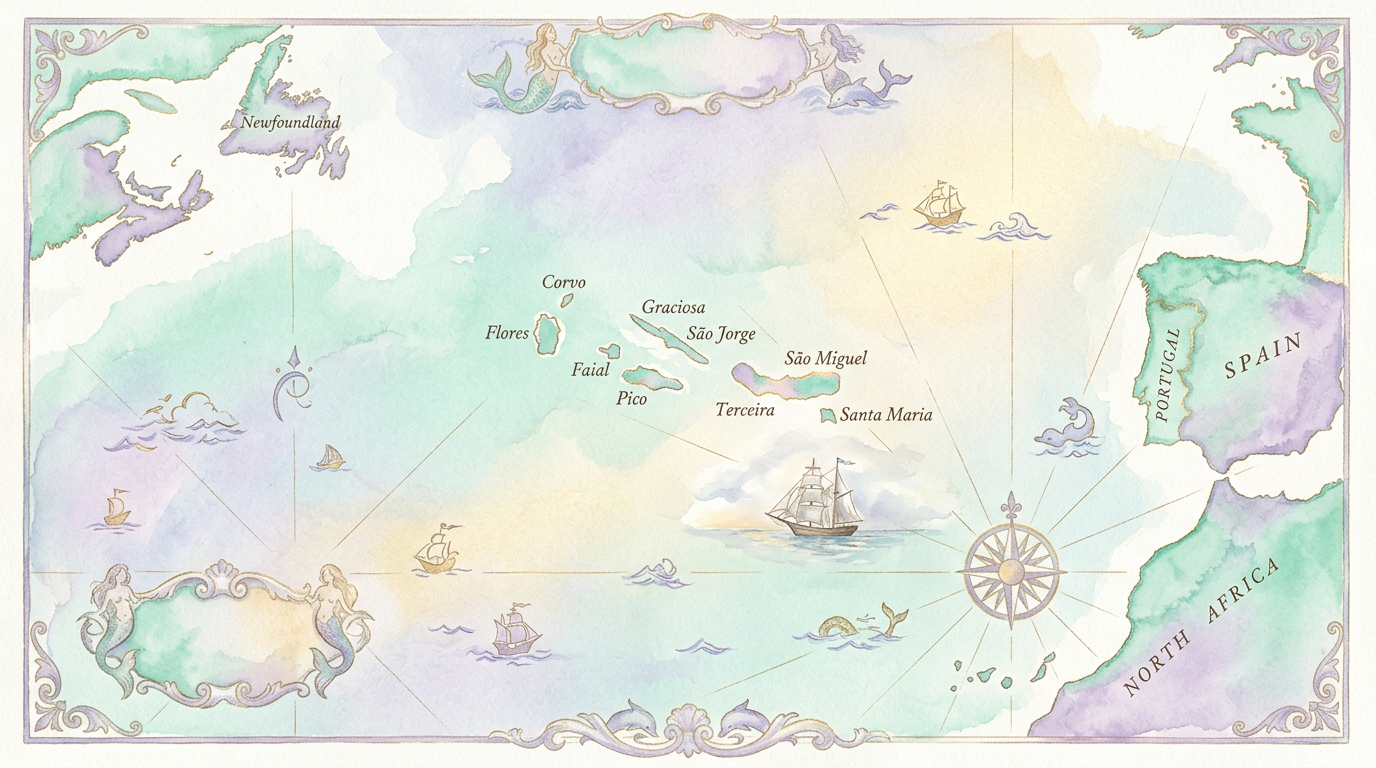
On December 5, 1872, a ship was found drifting near the Azores — fully provisioned, completely undamaged, and completely empty of human life. According to Encyclopaedia Britannica, the brigantine Mary Celeste was adrift with no one aboard and no obvious reason why. Over 150 years later, no one has ever confirmed what happened. That's it. That's the mystery.
So what do we actually know?
Not a rumor. Not a legend. The documented facts, per Encyclopaedia Britannica and Smithsonian Magazine, are genuinely strange enough on their own.
- The Mary Celeste was a brigantine — a two-masted sailing vessel — discovered adrift near the Azores on December 5, 1872.
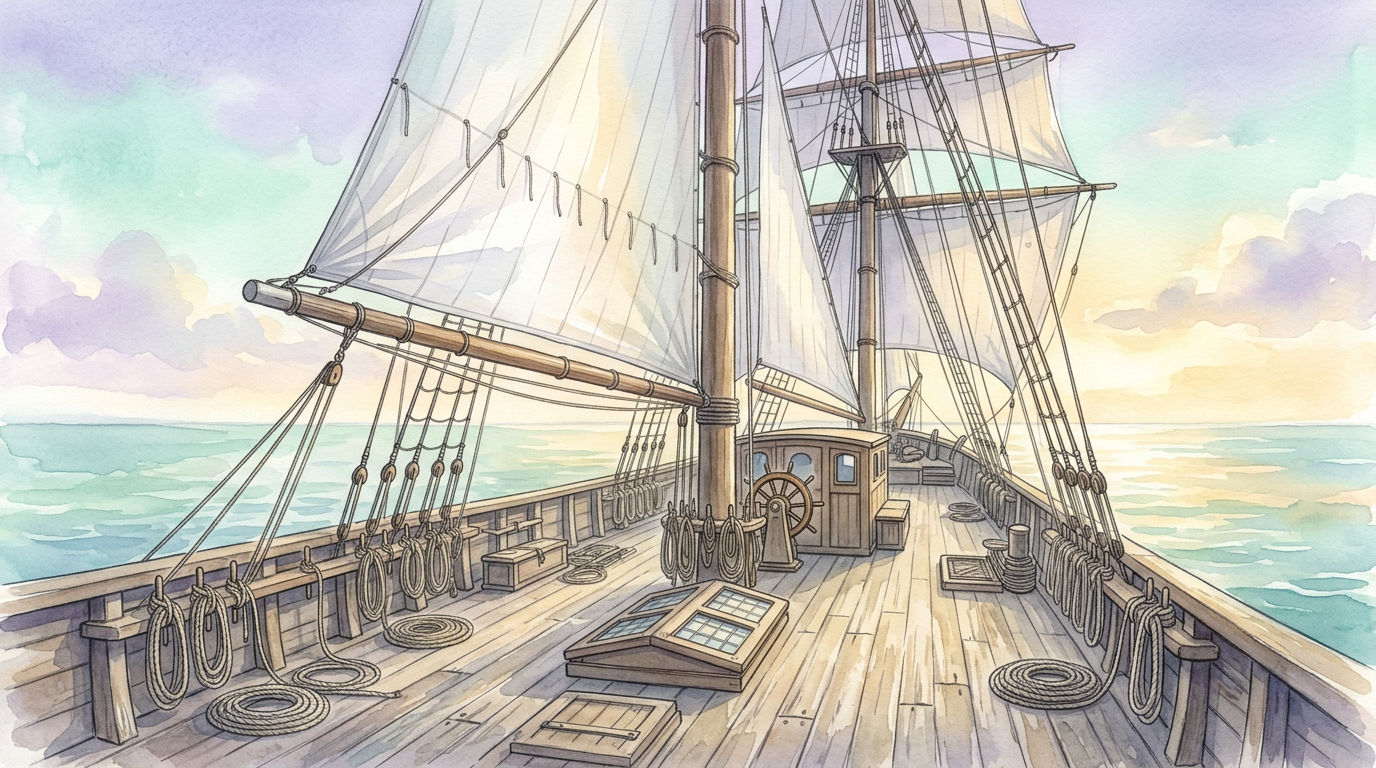
- The ship was fully provisioned and undamaged. No signs of a struggle, no catastrophic damage, nothing obviously wrong.
- Everyone aboard was simply gone.
As Smithsonian Magazine documents, the ship had departed in November 1872, carrying a cargo of industrial alcohol. The voyage, the cargo, the timeline — all recorded. The fate of the crew? Still an open question.
Why does this one still haunt us?
Plenty of ships have been lost at sea. What makes the Mary Celeste different is the orderliness of it. According to Encyclopaedia Britannica, the ship was undamaged and fully provisioned — not the wreck of a disaster, but something closer to a life just... paused. That detail is what lodges in the brain and refuses to leave. A catastrophe you can explain. A tidy, well-stocked, crewless ship sailing itself through the Atlantic is harder to file away.
Smithsonian Magazine is clear: no confirmed explanation for the crew's disappearance has ever been established. Not one. Every theory — and there have been many over the decades — remains exactly that: a theory.
Can we just… accept that we don't know?
Here's the thing about a mystery with no confirmed answer: it stays a mystery. Smithsonian Magazine puts it plainly — no explanation has ever been established. Not solved, not closed, not explained away. The Mary Celeste sailed on without its crew in 1872, and the question of why has been sailing on without an answer ever since.
Sometimes the most honest thing to say is: we don't know. And somehow, that's the most unsettling sentence of all.
- Encyclopaedia Britannica, "Mary Celeste" [encyclopedia] — documents the December 5, 1872 discovery of the brigantine adrift near the Azores, fully provisioned and undamaged, with no one aboard.
- Smithsonian Magazine, "Abandoned Ship: The Mary Celeste" [reference] — details the November 1872 voyage, the cargo of industrial alcohol, and confirms that no confirmed explanation for the crew's disappearance has ever been established.
This article is offered for cultural reflection and historical curiosity, not as a definitive account of events.
If real mysteries have you asking big questions about fate, timing, and the unknown, Lunaple's readings are a fun, reflective place to explore what's on your mind.
Explore LunapleFor entertainment purposes only. Not a substitute for professional, medical, legal, or financial advice.
← Back to the Journal