
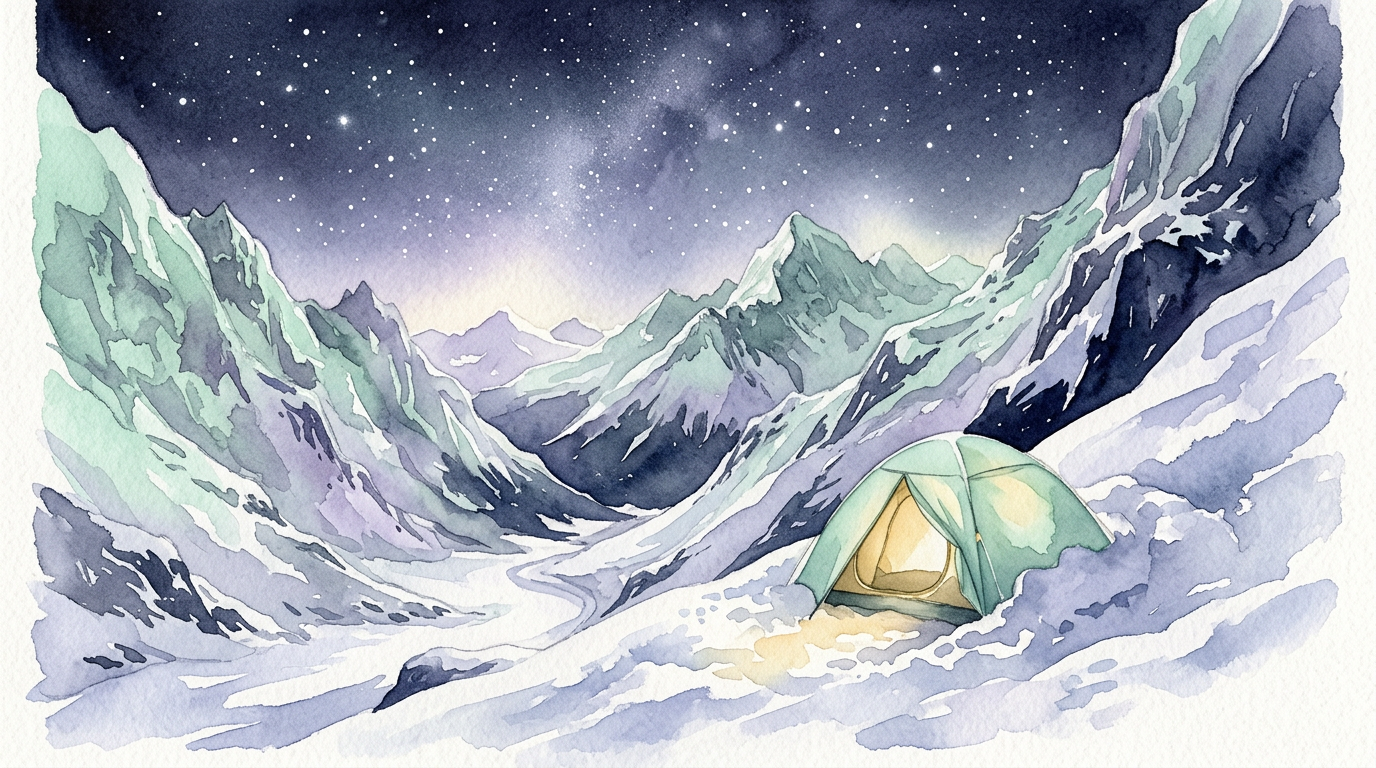
Nine hikers. One abandoned tent, slashed open from the inside. Bodies found scattered across a frozen Soviet mountainside in 1959. For six decades, the Dyatlov Pass incident resisted every explanation — until a pair of scientists built a physical model of exactly what the snow did that night.
Wait, what actually happened up there?
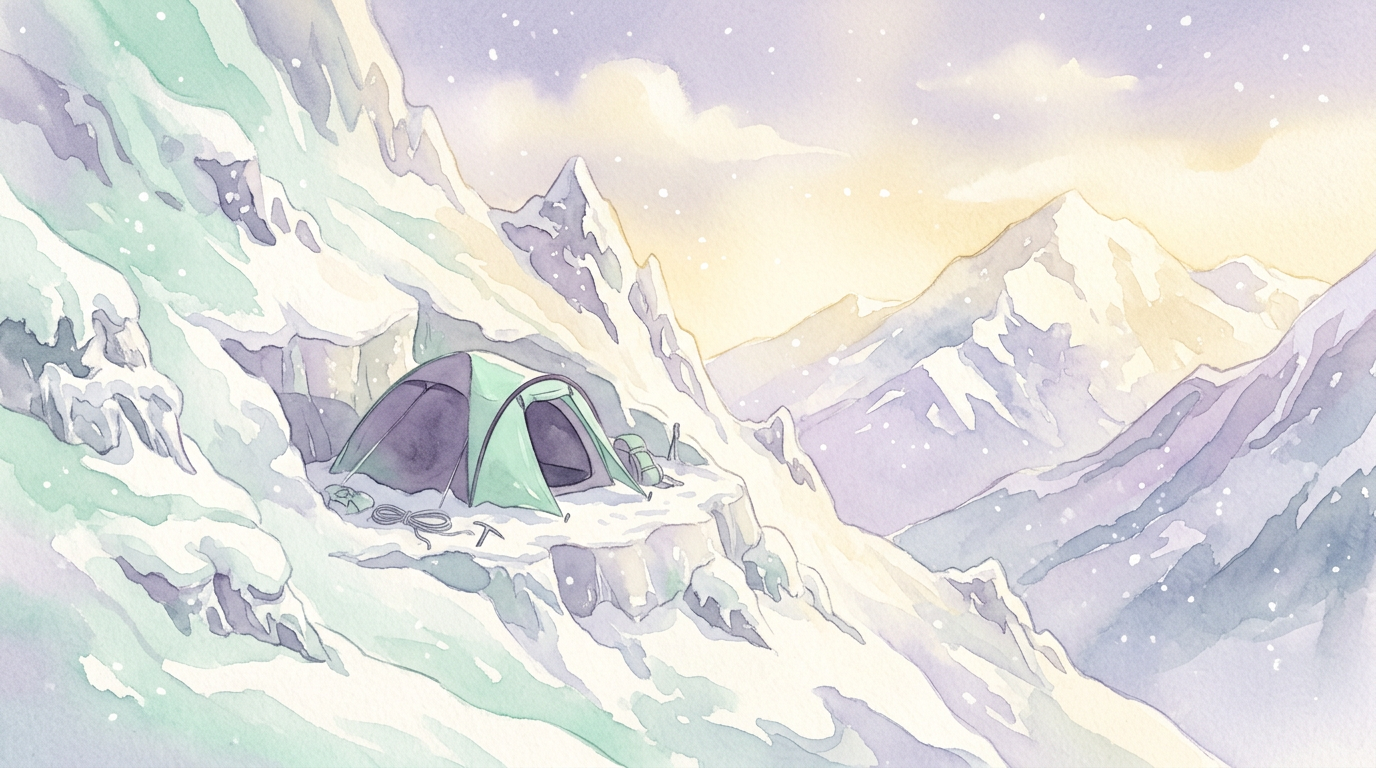
According to HISTORY's documentation of the incident, nine students and graduates from the Ural Polytechnic Institute set out on a winter hiking expedition in February 1959. When they failed to check in on schedule, a search was launched. What searchers found was deeply unsettling: the tent had been cut open from the inside, and the hikers had fled into the freezing night without proper clothing or gear. The bodies were eventually recovered — some showing severe internal injuries with no clear external cause. Soviet investigators ultimately closed the case with the phrase "unknown compelling force," which, honestly, is not the closure anyone was looking for.
So what did the scientists figure out?
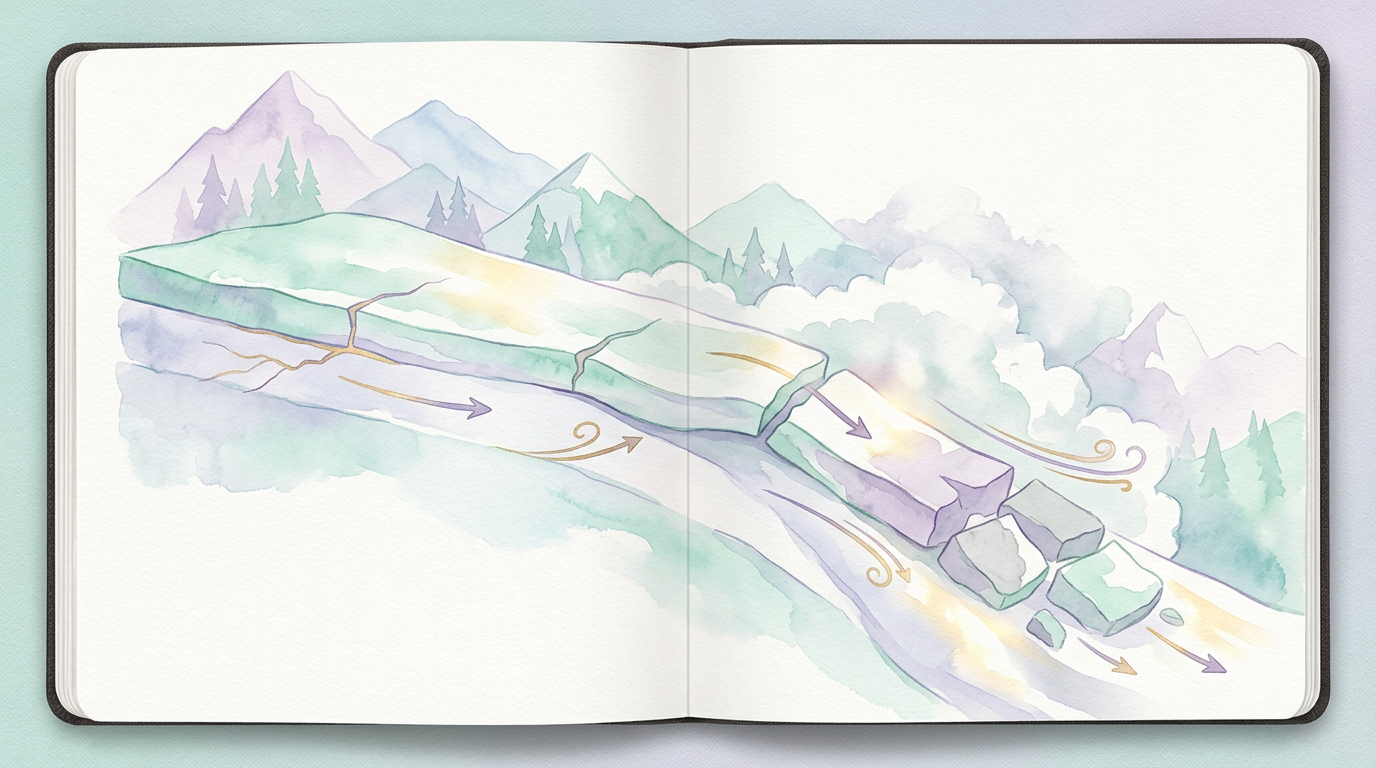
In 2021, Johan Gaume and Alexander M. Puzrin published a peer-reviewed physical model in Communications Earth & Environment proposing a specific, testable explanation: a delayed slab avalanche. According to their study, the hikers had cut into the slope to pitch their tent — and that disturbance, combined with wind loading on the snow above, could have triggered a slab of snow to release hours later while the group slept. The model proposes this delayed release as the likely cause of the fatal event, explaining both why the hikers cut their way out in a panic and how blunt-force-style injuries could occur without visible external wounds. The snow itself, moving as a dense slab, can deliver that kind of impact.
Why did it take 60 years to model this?
Partly because the original Soviet investigation didn't have access to modern avalanche physics, and partly because the conditions seemed wrong to earlier analysts — the slope wasn't considered steep enough for a classic avalanche. What Gaume and Puzrin's model does is show how the specific geometry of a tent cut into a slope, combined with particular snow conditions, could produce a delayed and localized slab release that earlier frameworks simply didn't account for. It's the kind of answer that requires both the right data and the right computational tools — neither of which existed in 1959.
Does this close the case?
Gaume and Puzrin's study frames their findings as a proposed mechanism — a physical model — not a courtroom verdict. What it does is give the most rigorously tested, peer-reviewed explanation to date for how a delayed slab avalanche could account for the injuries and the hikers' desperate exit from their tent. As HISTORY notes, the case has drawn countless theories over the decades. This one comes with the math. Whether that feels like closure probably depends on how comfortable you are with probability over certainty — which, honestly, is most of science.
The nine hikers of the Dyatlov Pass deserve to be remembered as the experienced mountaineers they were, not just as a mystery. And the researchers who spent years modeling the physics of that slope deserve credit for treating the question with the seriousness it always warranted.
- Johan Gaume & Alexander M. Puzrin, "Mechanisms of slab avalanche release and impact in the Dyatlov Pass incident in 1959," Communications Earth & Environment 2, 10 (2021) — the peer-reviewed physical model proposing a delayed slab avalanche as the likely cause of the fatal event.
- HISTORY, "The Dyatlov Pass Incident: Why the Hiker Deaths Remain a Mystery" — documents the 1959 timeline, the nine Ural Polytechnic Institute hikers, the search after they missed their check-in, and the discovery of the bodies.
This article is offered for informational and cultural reflection purposes only. It does not constitute a definitive legal or scientific conclusion about the events described.
Some questions take decades to answer — others are written in your birth data. Explore what Lunaple reads in yours.
Read My ChartFor entertainment purposes only. Not a substitute for professional, medical, legal, or financial advice.
← Back to the Journal