
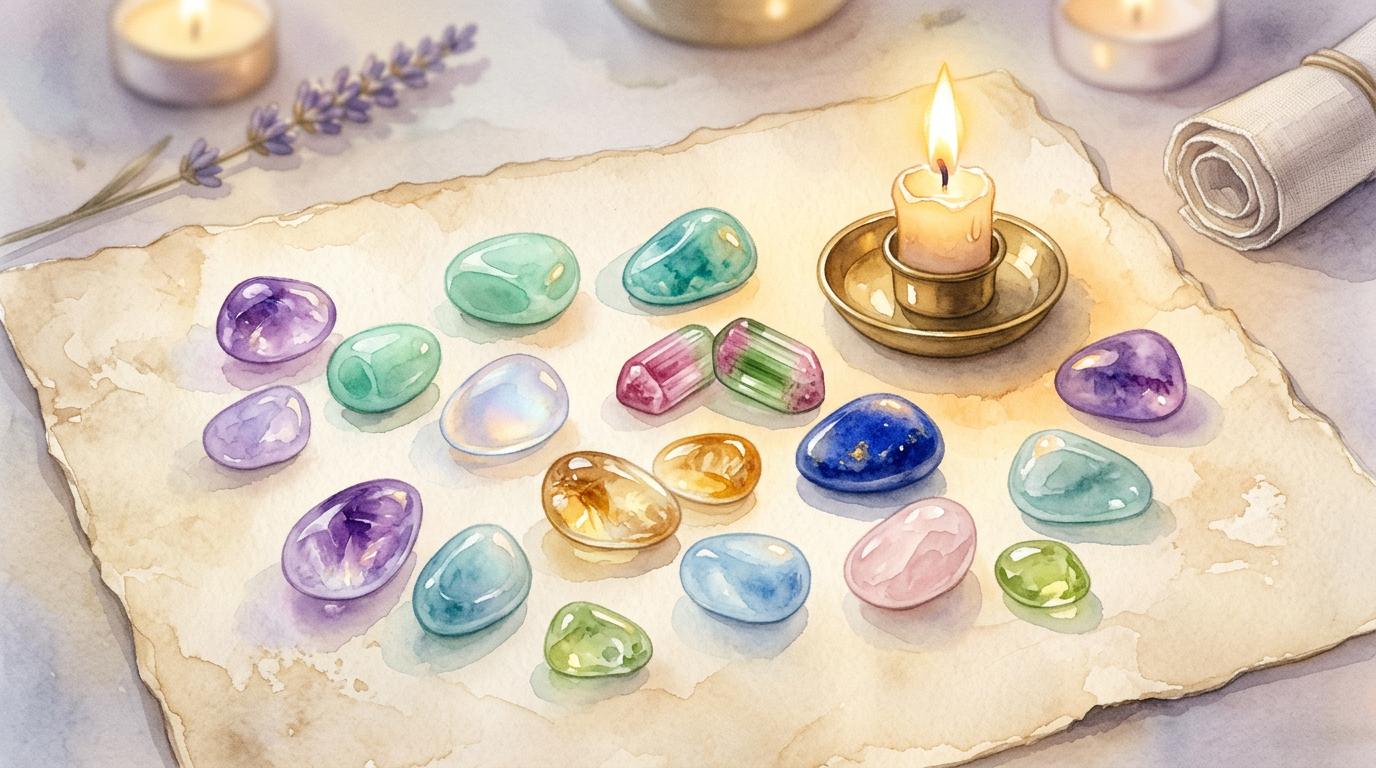
Your amethyst on the nightstand and your rose quartz in your tote bag? Totally valid — and according to Pliny the Elder's Natural History (77 CE), you are participating in a tradition that is at least 2,000 years old. Pliny catalogued roughly 240 gemstone varieties, their supposed origins, and their rumored properties. The obsession is ancient. The aesthetics are just better now.
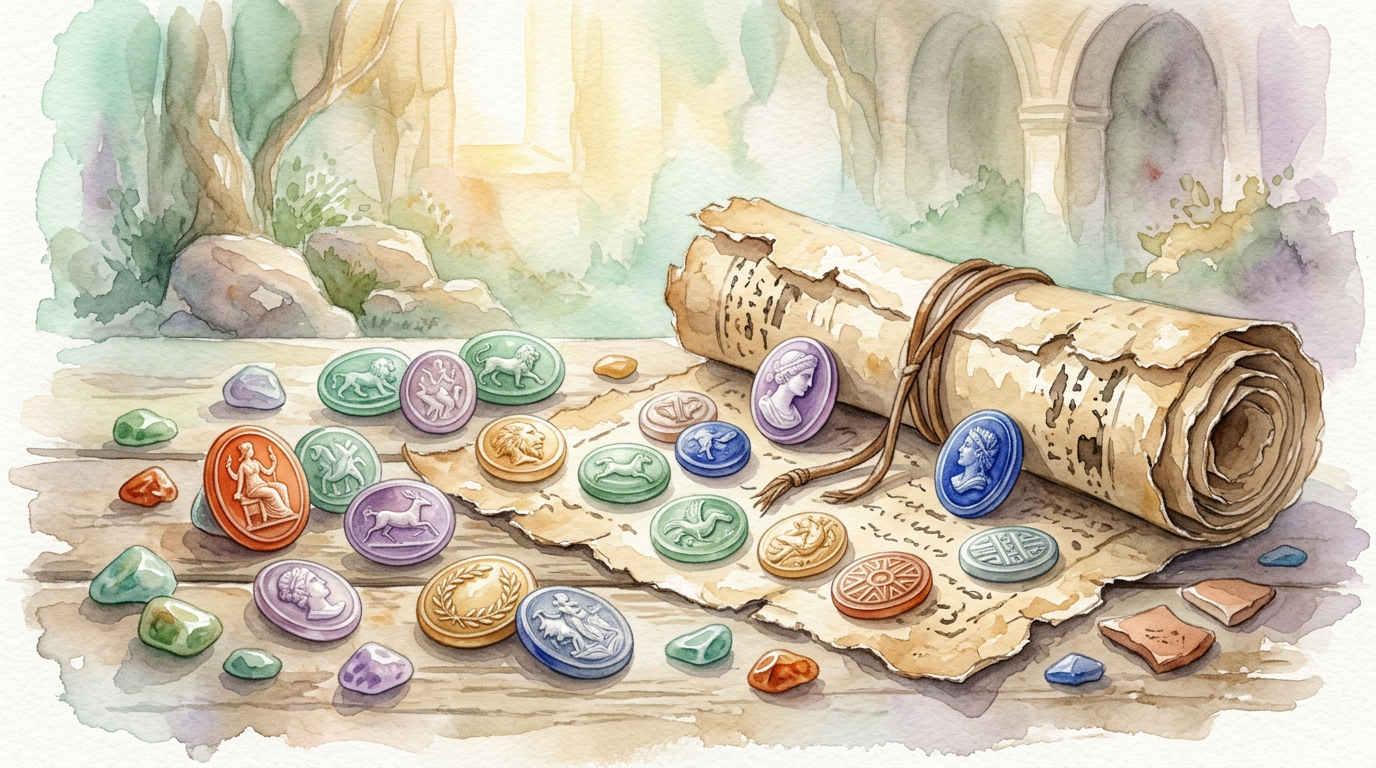
Wait, who even is Pliny the Elder?
Pliny the Elder was a Roman author and natural philosopher who published Natural History in 77 CE — essentially the ancient world's attempt at a Wikipedia. Book XXXVII is entirely dedicated to gemstones, and it is thorough. He documented roughly 240 varieties, noting where each stone supposedly came from and what properties people attributed to it. This was not fringe thinking. This was the educated Roman establishment, putting it all in writing.
So Romans were basically doing crystal TikTok?
In spirit? Absolutely. Pliny's Natural History records that peoples of the East wore certain stones as amulets — meaning the belief that a stone could offer protection or meaning was widespread enough across cultures that a Roman scholar felt compelled to document it. Pliny was cataloguing a living, breathing, cross-cultural phenomenon, not a quirky local rumor.
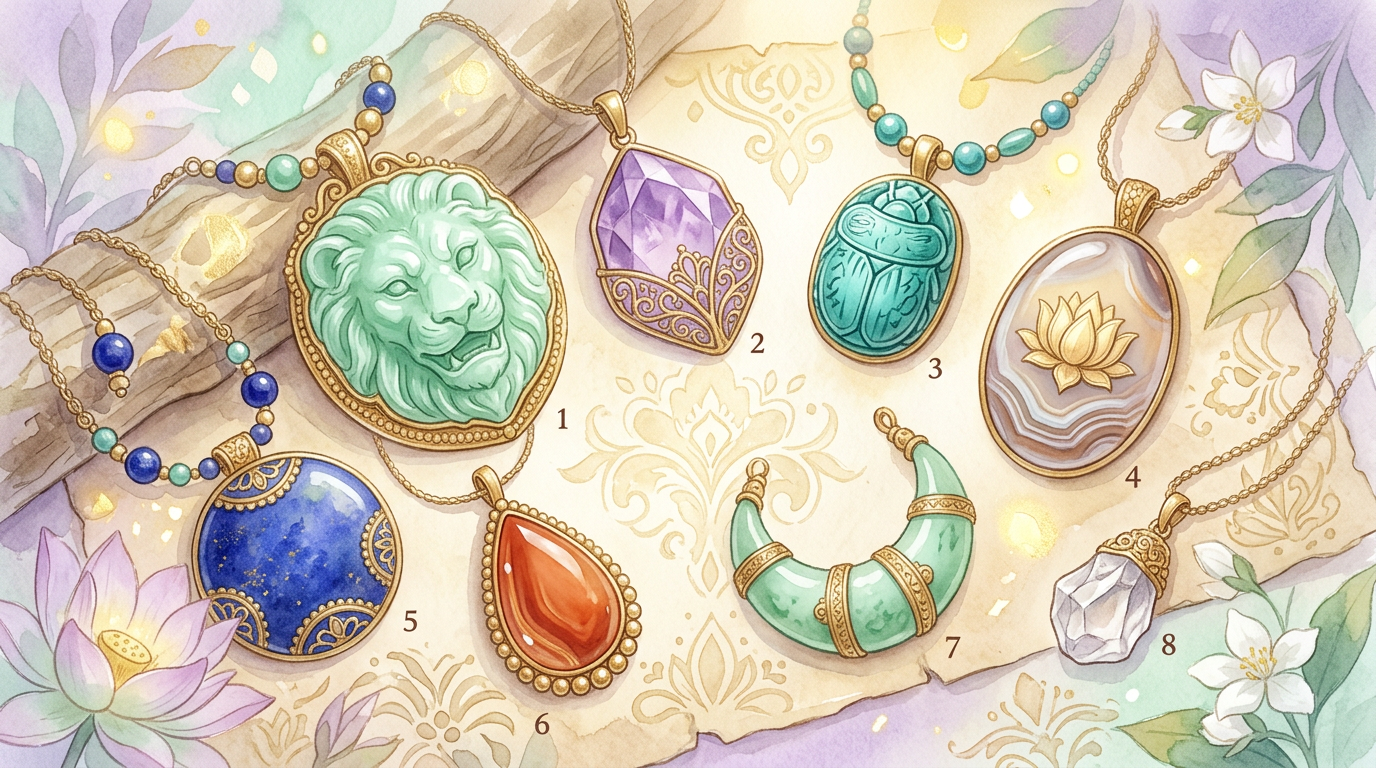
It is worth saying clearly: Pliny was recording what people believed and practiced — he was not a scientist confirming magical properties. The supposed powers he documented are folklore and cultural tradition, not established fact. But the human impulse behind them? That part is extremely well-documented and extremely old.
Why does this feel so relevant right now?
Because it is a useful reminder that the desire to find meaning in the physical world — to hold something in your hand and feel like it means something — is not a modern wellness trend or a social media invention. Pliny's Natural History shows us that people across the ancient world were already doing this, already comparing notes, already trading stones across long distances because they believed certain ones mattered.
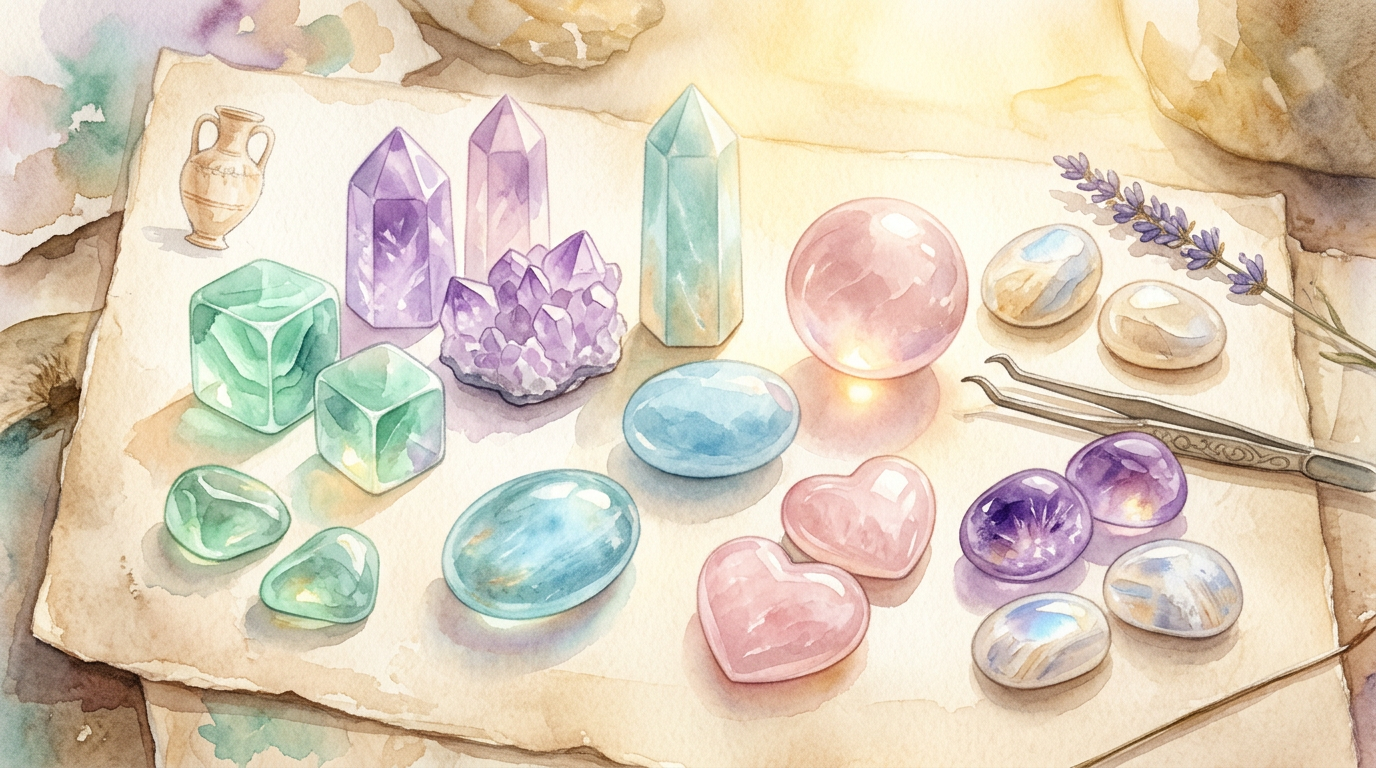
Whether you treat your crystals as décor, as a mindfulness anchor, or as genuine talismans is entirely your call. But next time someone raises an eyebrow at your collection, you can tell them Pliny the Elder — Roman scholar, 77 CE — already had the receipts.
- Pliny the Elder, Natural History, Book XXXVII, 77 CE — Pliny's catalogue of roughly 240 gemstone varieties, their supposed origins and properties, and his note that peoples of the East wore certain stones as amulets.
This article is offered for cultural reflection and historical curiosity, not as a guide to prediction or medical advice.
If ancient traditions around meaningful symbols speak to you, Lunaple's birth chart readings are a beautiful place to keep exploring. Your chart is waiting.
Read My ChartFor entertainment purposes only. Not a substitute for professional, medical, legal, or financial advice.
← Back to the Journal