
Your birthstone feels timeless — like it was handed down from the cosmos itself. Spoiler: the tidy month-by-month list you grew up with was standardized by a jewelers' trade group in Kansas in 1912, according to the National Association of Jewelers. Ancient inspiration? Absolutely. Ancient list? Not quite.
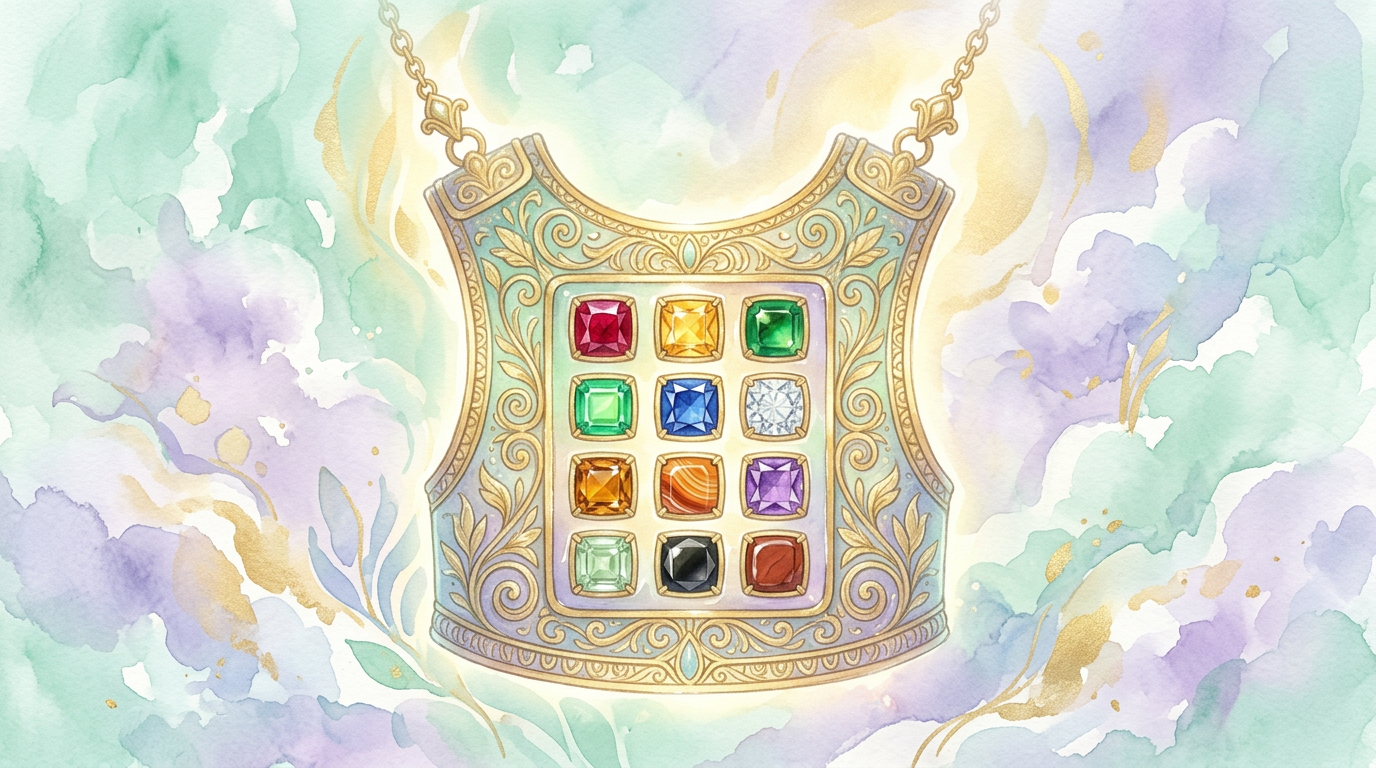
So where did the "ancient" part come from?
The symbolic ancestor everyone points to is the Book of Exodus, which describes a breastplate worn by Aaron — the high priest — set with twelve stones. That's the image: twelve gems, sacred and intentional, each one carrying weight. It's a genuinely ancient and resonant origin story, and it's the cultural thread that later traditions pulled on when connecting gems to months, signs, and meaning.
The leap from "twelve stones on a priestly breastplate" to "wear your specific stone in your birth month" is a long one, though. That leap took centuries of folklore, shifting gem associations, and — eventually — a very organized group of jewelers.
Wait, a committee in Kansas did this?
Yes, and honestly, same energy as finding out your favorite "ancient ritual" started on a Tuesday in a conference room. According to the National Association of Jewelers, the standardized birthstone list was officially established in 1912. The goal was to create a consistent, commercially usable list — one that jewelers across the country could actually agree on. Before that, birthstone assignments varied depending on region, tradition, and who was selling what.
It worked. The 1912 list became the foundation of the birthstone tradition most people recognize today.
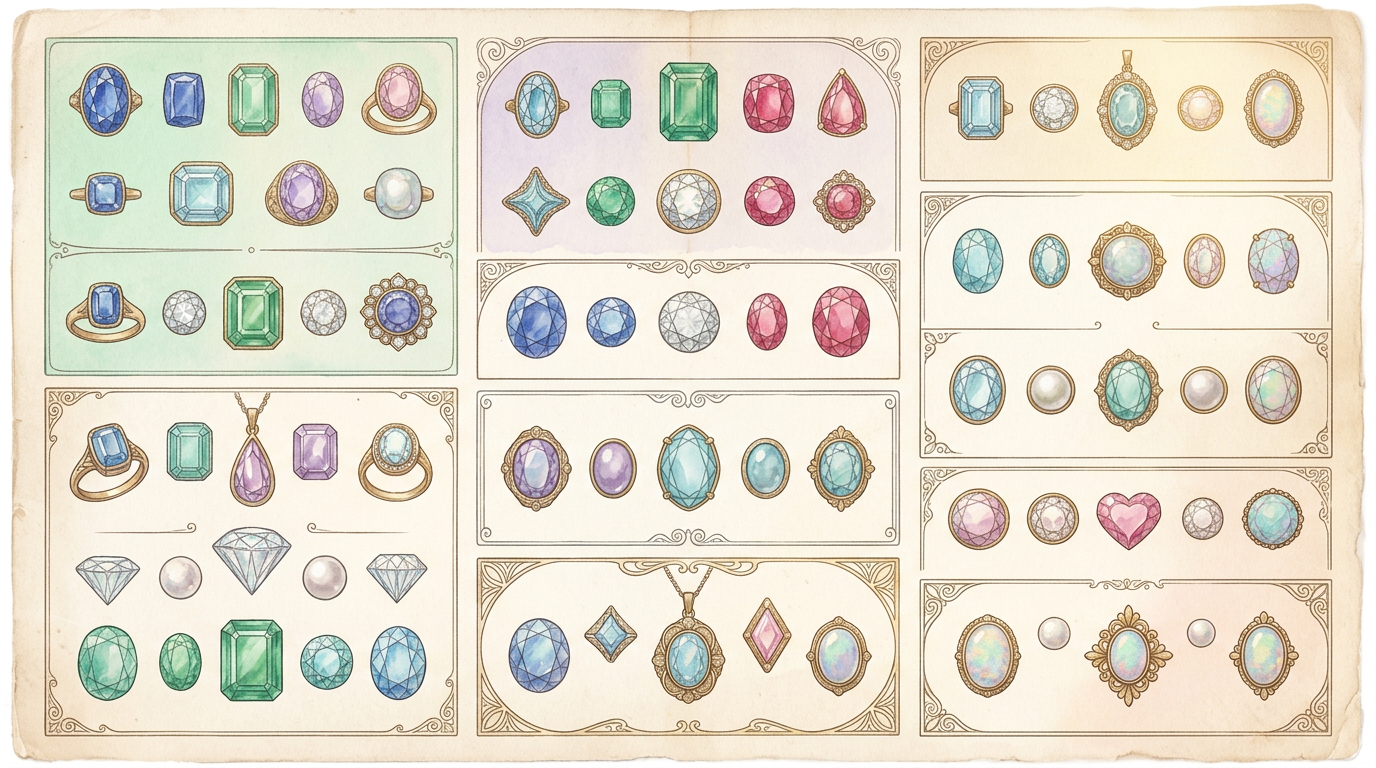
Does that make it less meaningful?
Only if you think meaning requires a minimum age requirement. The Gemological Institute of America (GIA) documents the birthstone-by-month tradition as a genuine part of modern gem culture — and culture doesn't have to be old to be real. Plenty of beloved traditions are newer than they look.
The twelve-stone symbolism from the Book of Exodus is genuinely ancient. The emotional pull of having your stone — something that feels like it belongs to you — is genuinely human. The 1912 committee just gave that feeling a standardized address.
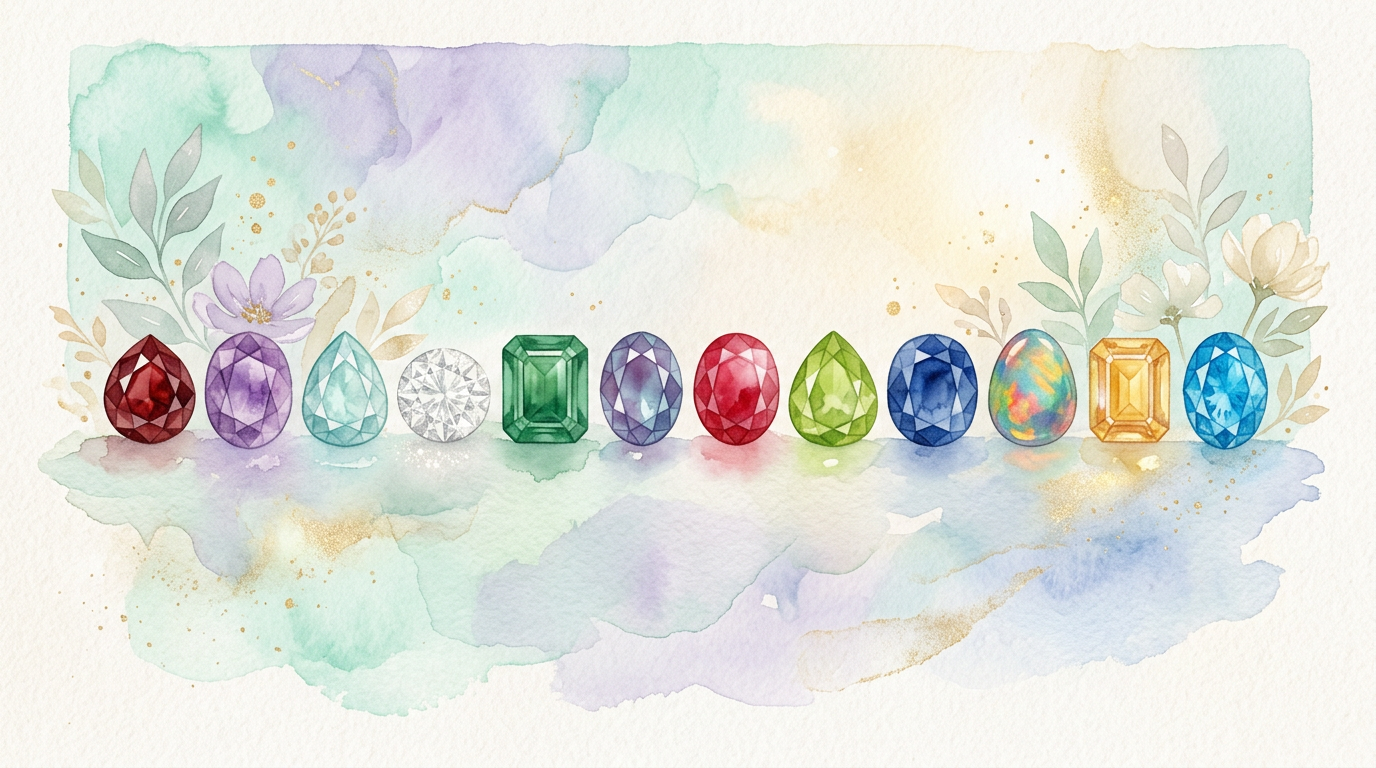
The takeaway
Birthstones sit at the intersection of ancient symbolism, commercial history, and personal meaning — which is a pretty interesting place to be. Wear yours as a cultural keepsake, a style choice, or a conversation starter about the surprisingly recent moment a committee made it official. All three are valid. None of them require believing it predicts anything.
- Book of Exodus [classic text] — The ancient scriptural source describing the twelve-stone breastplate of Aaron, widely cited as the symbolic ancestor of birthstone traditions.
- National Association of Jewelers, standardized birthstone list (Kansas, 1912) [historical record] — The documented origin of the modern month-by-month birthstone list, established commercially in 1912.
- Gemological Institute of America (GIA), birthstone references [organization] — Reputable modern documentation of the birthstone-by-month tradition as it exists today.
This article is offered for cultural reflection and historical curiosity, not as gemological advice or prediction of any kind.
From birthstones to birth charts, there's a whole symbolic world tied to the moment you arrived. Explore your personal cosmic profile on Lunaple.
Explore Your ProfileFor entertainment purposes only. Not a substitute for professional, medical, legal, or financial advice.
← Back to the Journal