
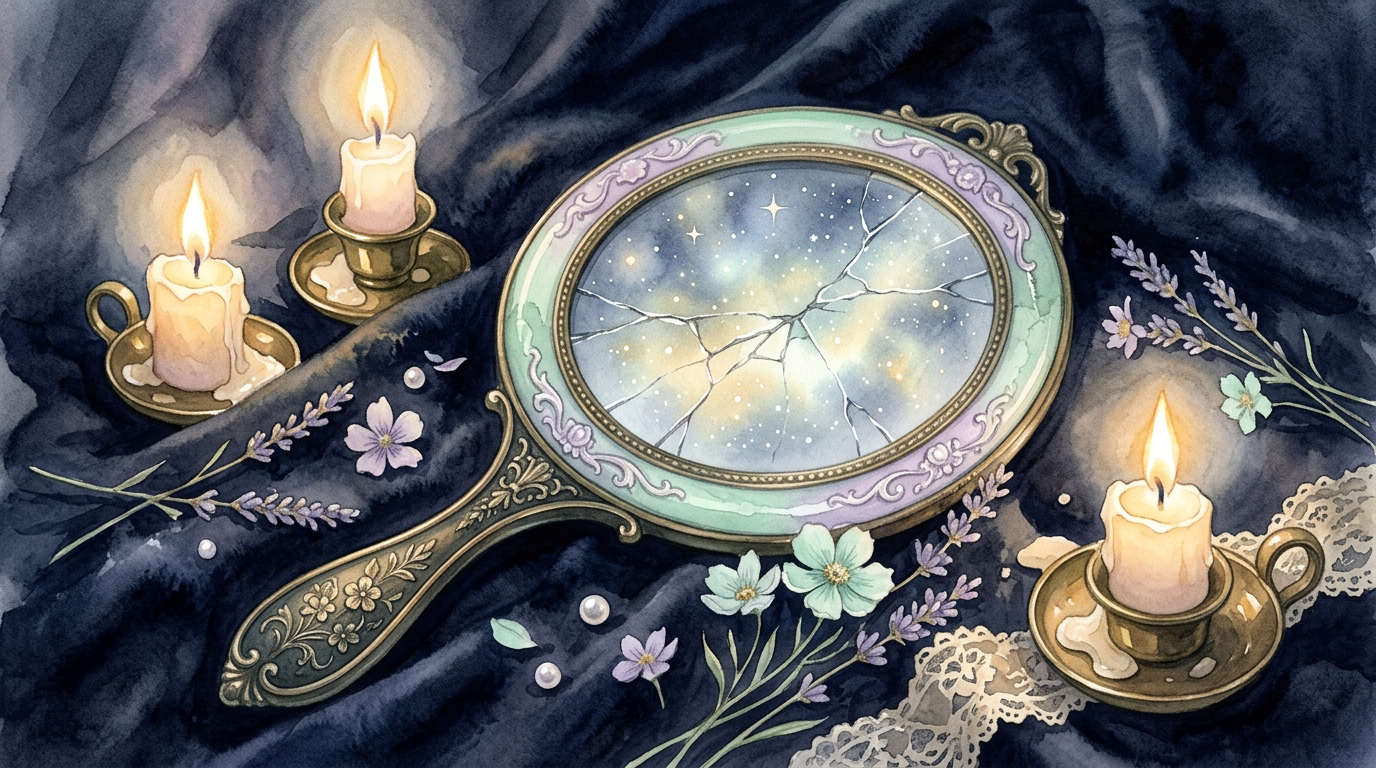
The real origin of this superstition is genuinely weirder than the vague warning your grandma gave you — and it starts with the ancient Romans believing a mirror held a piece of your actual soul.
Wait, mirrors were a soul thing?
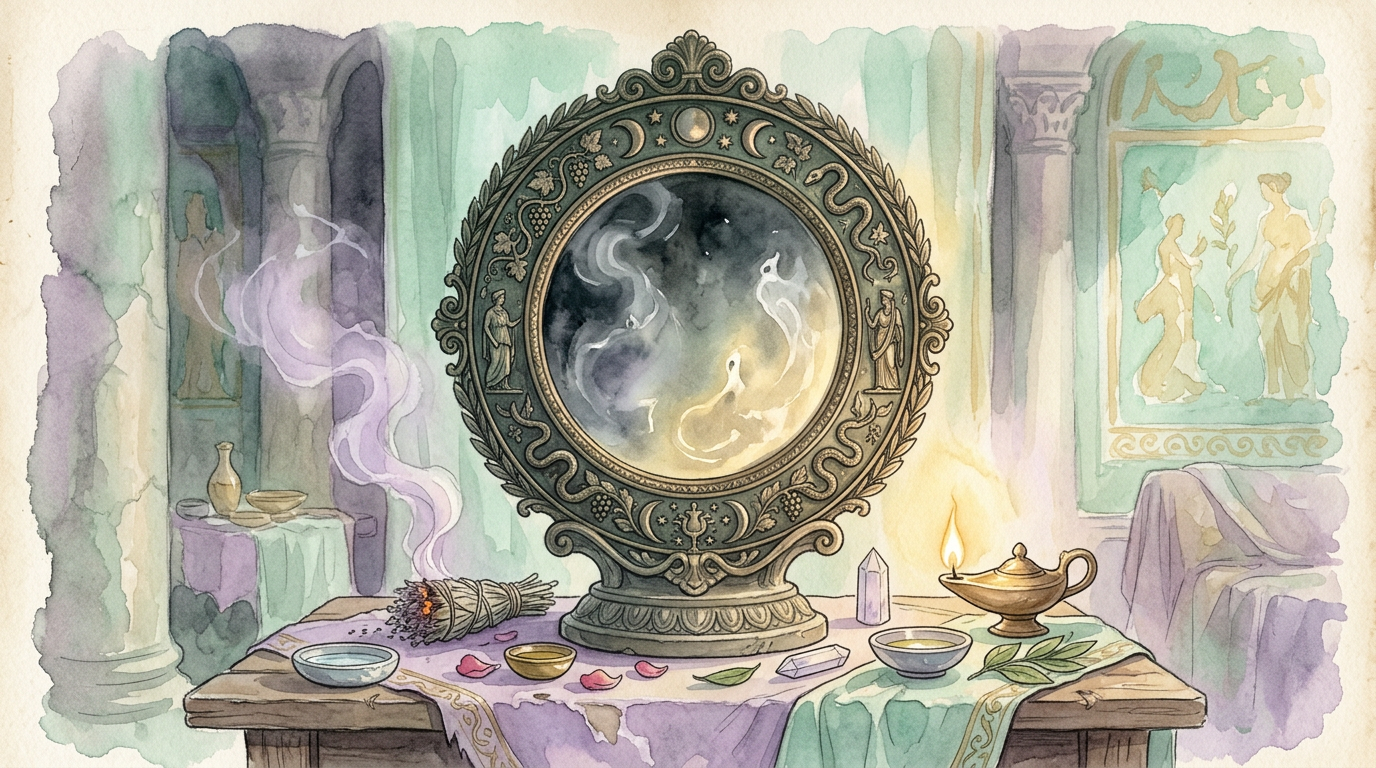
According to the historical record, Romans believed that a mirror didn't just show your face — it captured the image of your soul. This wasn't casual metaphor. It was the foundation of a real divination practice called catoptromancy: reading mirrors to glimpse fate, health, and spiritual truth. People would gaze into reflective surfaces the way others read entrails or watched birds. Mirrors were, in this framework, sacred objects with a direct line to something deeper than your reflection.
So when a mirror broke during one of these sessions? That wasn't just a mess to clean up. Folklorists trace the "seven years bad luck" superstition directly to the Roman reading of that moment as a serious omen — a rupture not just in glass, but in the soul's image held within it.
Okay but why *seven* years specifically?
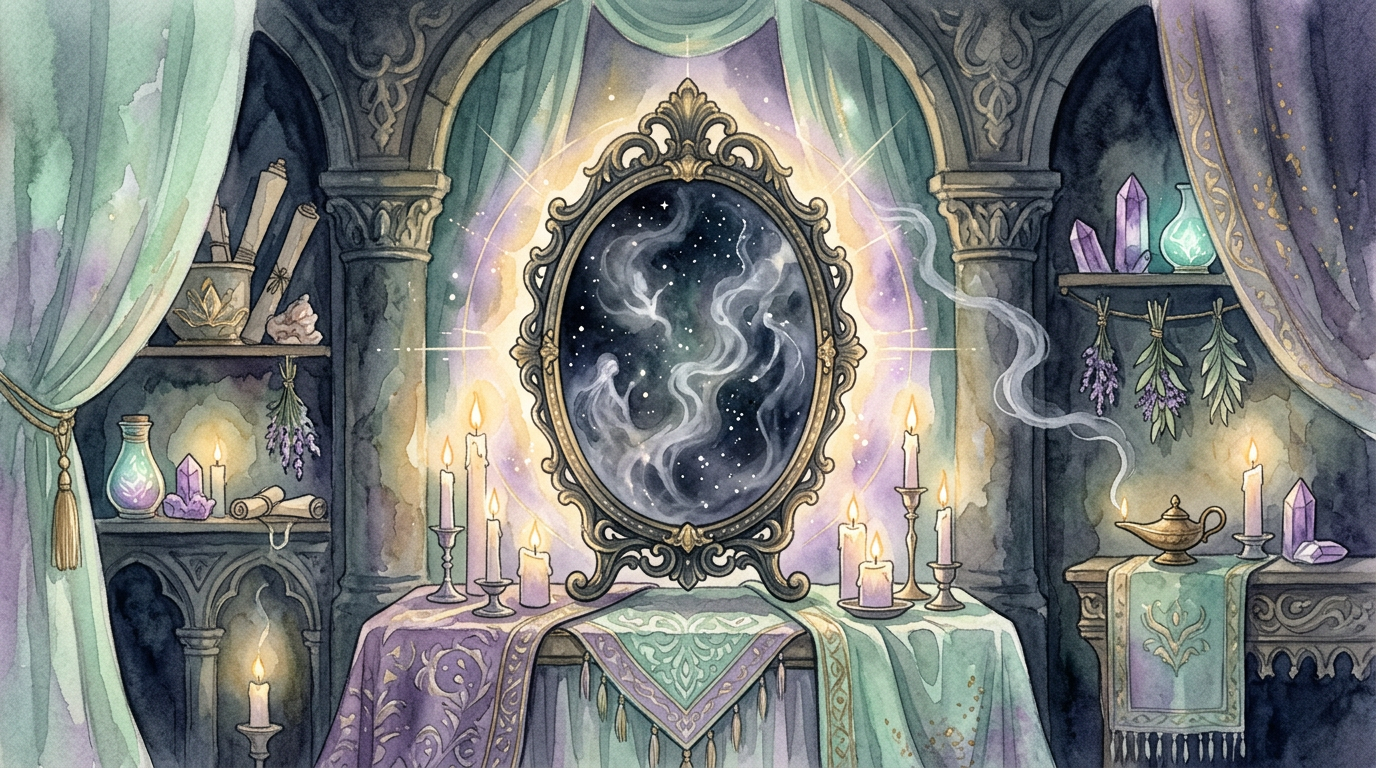
Here's where it gets genuinely strange. The historical record documents a Roman belief that the body — and the soul along with it — underwent a complete cycle of renewal every seven years. Seven years to fully remake yourself, inside and out. If a broken mirror meant your soul's image was shattered, the logic followed: it would take one full renewal cycle — seven years — before you were whole again and the omen had run its course.
That's not a random number someone pulled out of thin air. It's a specific, documented cosmological framework that made the "seven years" feel inevitable, almost mathematical, to the people who believed it.

So how did a Roman divination omen become a thing people say at slumber parties?
Folklore has a way of traveling light. The specific, layered belief — soul-image, catoptromancy, seven-year renewal cycle — got stripped down over centuries until only the punchline remained: break a mirror, get seven years of bad luck. The why fell away. The warning stuck.
Which is honestly very on-brand for superstitions. They survive by becoming portable, losing their footnotes, and embedding themselves in the kind of half-joking dread that makes you wince even when you don't fully believe it.
What do you do with this?
Knowing the real origin doesn't make the superstition less fun — it makes it more interesting. The next time a mirror shatters, you can choose to see it the way a Roman diviner might have: not as a curse, but as a prompt. What's the soul's image you've been carrying? What might a seven-year cycle of renewal actually look like for you?
That's the thing about old folklore — framed as cultural reflection rather than prophecy, it has a way of asking the right questions.
- Historical record on ancient Roman belief in a seven-year cycle of bodily and spiritual renewal, the practice of catoptromancy (mirror-divination), and the folklorist-documented origin of the "seven years bad luck" superstition. [historical-record]
All content is offered for cultural reflection and historical curiosity only — not as prediction, divination advice, or statement of personal belief.
If the idea of a seven-year renewal resonates, Lunaple can help you explore the patterns and themes showing up in your chart right now — no broken mirrors required.
Explore Your ChartFor entertainment purposes only. Not a substitute for professional, medical, legal, or financial advice.
← Back to the Journal